Get Full Government Meeting Transcripts, Videos, & Alerts Forever!
Get email alerts on the Land Use Micro Schools topic
No spam. Unsubscribe anytime.
Bluffdale planning commission backs code changes to recognize micro‑schools and mobile business license reciprocity
Summary
The commission voted to forward a recommended text amendment to city council to incorporate state definitions for enclosed mobile businesses and micro‑education entities, clarifying that licensed micro‑schools — including home‑based micro schools — may operate in residential zones.
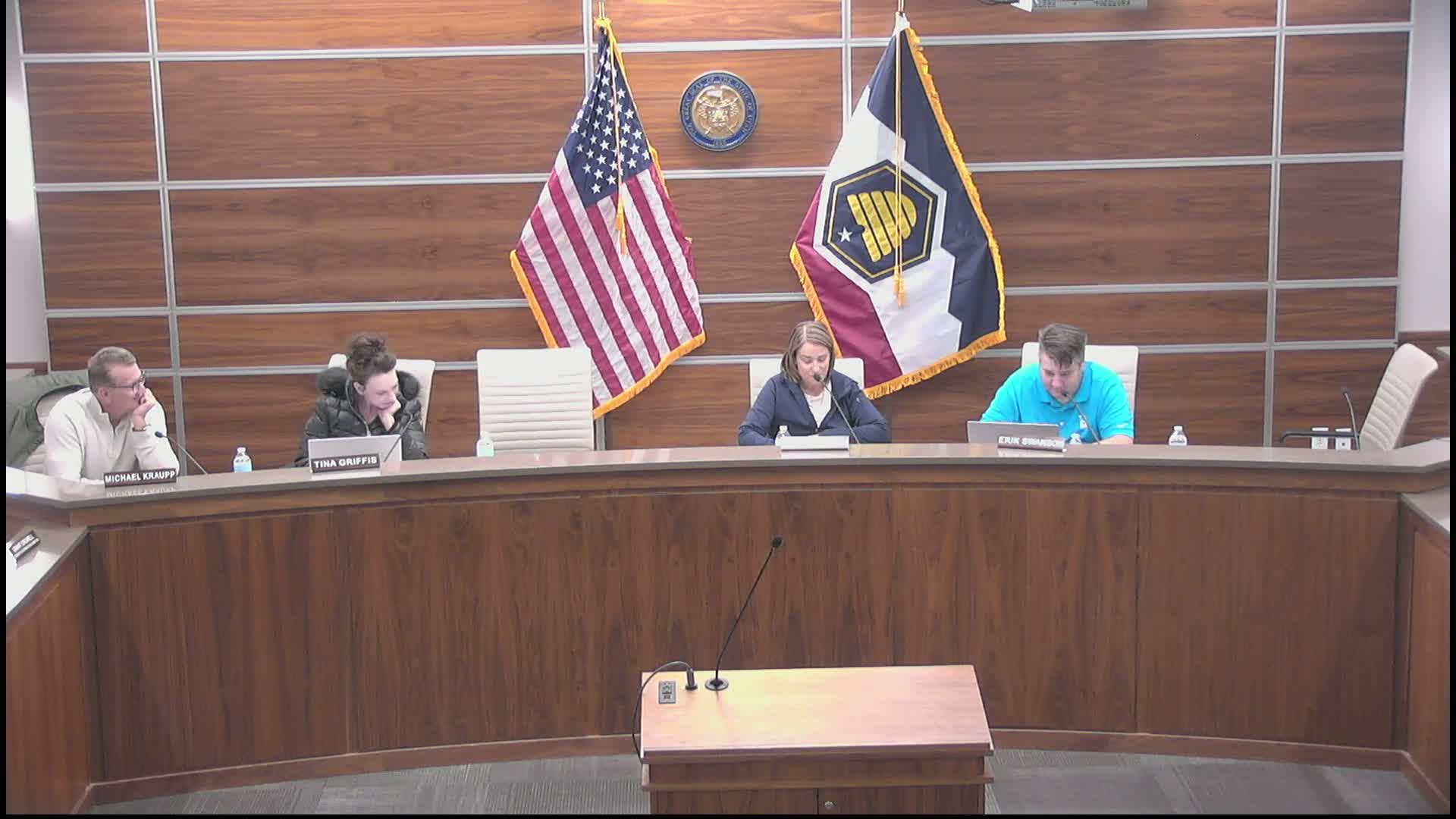
The Bluffdale Planning Commission on Nov. 27 voted unanimously to forward a recommended text amendment to city council that would align city land‑use rules with recent Utah legislation defining enclosed mobile businesses and micro‑education entities.
Caitlin Tubbs, the staff presenter, told commissioners the state’s 2023 House Bill 408 “defined an enclosed mobile business and also required cities and counties to recognize business licenses for those types of businesses that had already been issued by other jurisdictions.” She added that the statute does not require municipalities to license those businesses but does require reciprocal recognition where another jurisdiction has already licensed them.
Tubbs also summarized 2024 changes under Senate Bill 13, saying the state “defined a micro education, entity or facility as a use with up to 100 students” with a minimum of 20 square feet of open space per student. She said home‑based micro schools would be allowed up to 16 students and must provide 35 square feet per student. Tubbs said both types must obtain state licensing and a Bluffdale business license.
The proposed city text amendment is minimal, Tubbs said, and is intended to make clear that the state‑defined uses are accommodated in residential zones and personal homes when licensed. Commissioners asked whether the city adopted the statutory language verbatim; Tubbs said staff used the state language and referenced statute sections so future state changes would not require new local amendments.
A commissioner moved to forward a positive recommendation to city council; the motion was seconded and the commission voted aye for commissioners Eric, Tina, Michael and the chair. The chair opened the public hearing and reported there were no emails or in‑person public comments before closing it.
The amendment will be scheduled for city council consideration; staff said a council schedule will be set in 2025.