Get Full Government Meeting Transcripts, Videos, & Alerts Forever!
Get email alerts on the Commercial Auto Availability topic
No spam. Unsubscribe anytime.
Business owners and brokers say commercial auto coverage is collapsing, urge swift action
Summary
Multiple business owners and brokers testified that rising commercial‑auto premiums and limited market participation are forcing companies to idle vehicles, leave the state, or stop new hires. Brokers warned umbrella and excess limits have spiked, shutting some businesses out of contracts.
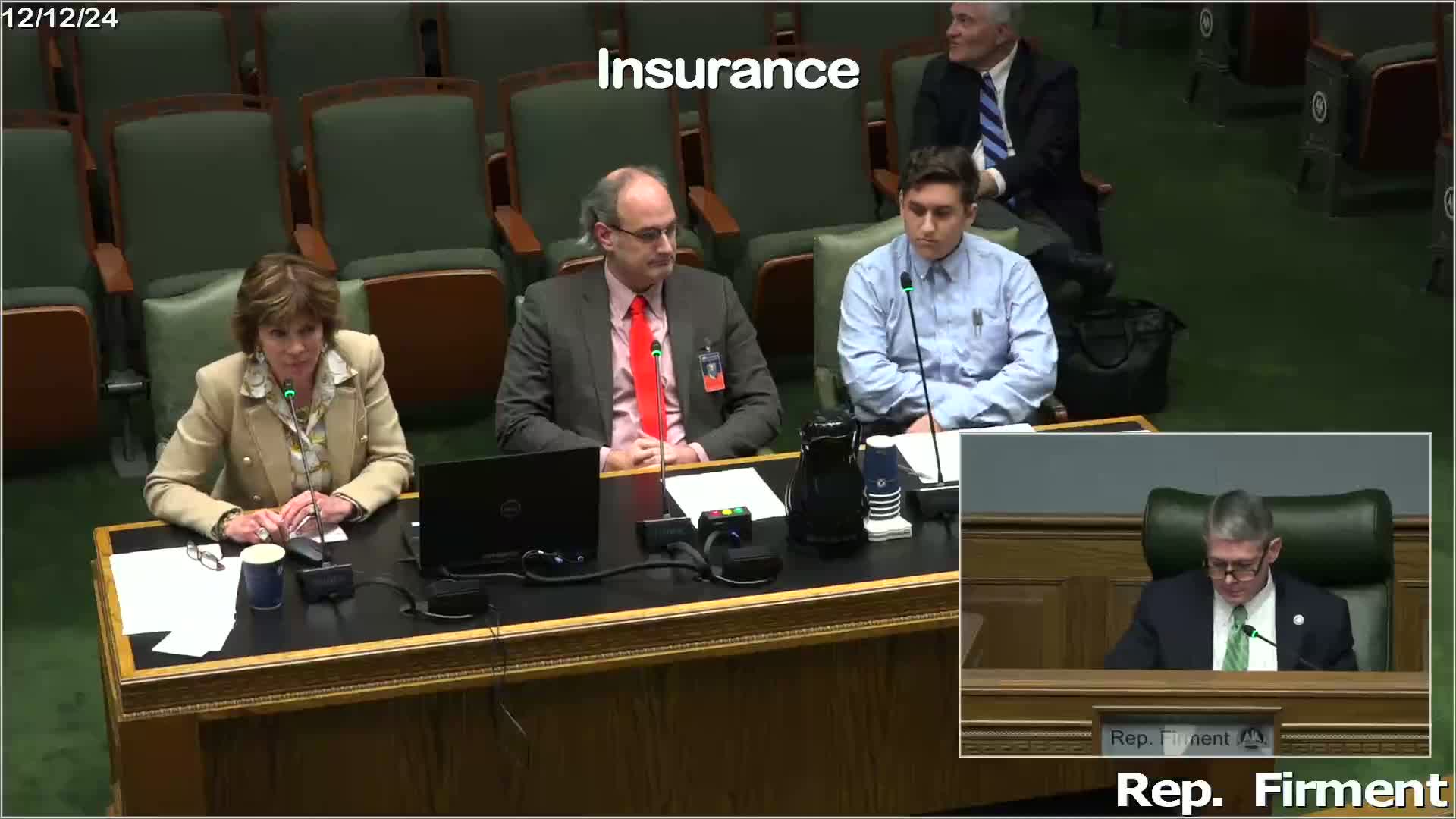
Business owners and insurance brokers told the House Insurance and Civil Law committees on Dec. 12 that commercial‑auto insurance in Louisiana is reaching breaking point.
Linda Bernacki, president of Fire Tech Systems in Shreveport, said her 34‑year business runs 70 pickup trucks and has equipped vehicles with cameras and training, yet has faced repeated litigation and rising premiums. She described a claim in which video showed the other party struck her truck and was walking and talking normally, but the company ultimately settled for a six‑figure figure after litigation pressure. Bernacki said her business saw premiums rise roughly 10% a year over the past five years.
Broker Mike Belanger, who handles commercial risks in North Louisiana, said national underwriters are increasingly unwilling to quote coverage or are raising rates markedly. He described cases in which umbrella limits or auto quotes jumped dramatically or were unavailable at renewal. “We have absolutely no quote for his auto insurance,” he said of an example small operator facing unaffordable renewal terms. Belanger said the convergence of high litigation risk and large verdicts makes national carriers reluctant to underwrite certain Louisiana risks.
Both witnesses advocated for a multi‑stakeholder response that includes trial lawyers, insurers, regulators and legislators. Suggestions included returning adjusters to regional offices, encouraging camera/telematics adoption through incentives, and exploring structural solutions such as wrap‑around or pooled mechanisms that would permit predictable excess coverage without pushing all costs onto small businesses.
Committee members pressed witnesses for specific data; witnesses offered anecdotal examples and agreed to follow up with written material. The department and members agreed to pursue additional briefings and consider commercial market interventions as part of the broader package of reforms.