
Littlestown Area SD meeting focuses on renovation costs, trades programs and athletic-field changes
Get AI-powered insights, summaries, and transcripts
Subscribe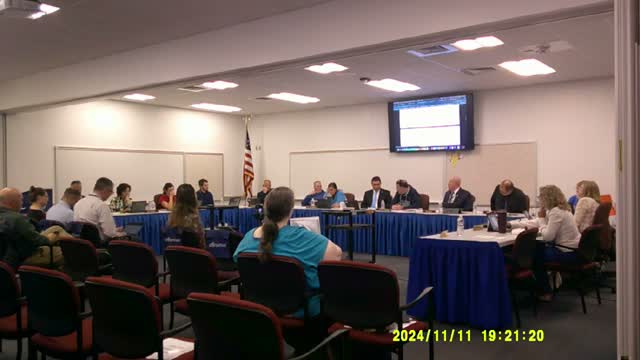
Summary
Participants at a Littlestown Area SD meeting debated facility renovation plans and budgets, highlighting urgent maintenance needs (HVAC, windows), an estimated nearly $2.5 million retrofit option, about $180,000 in recurring funding capacity, and possible athletic-field reorientation and scoreboard upgrades. No formal vote was recorded.
Participants at a Littlestown Area SD meeting discussed options to renovate aging facilities, shore up trade-program space and alter athletic fields, with several speakers warning that deferring repairs would raise costs.
An unnamed participant said the district is "desperately in need of more programs, more space," and urged planning and budgeting to support additional career and technical offerings. The participant also said the district is already "3 steps ahead" and cited "a hundred and $80,000 a year" as an annual figure being considered for planning purposes.
Another participant described immediate maintenance needs, saying HVAC units "need renewed" and that a building wing contains windows from the 1990s that will reduce heating and cooling efficiency if not addressed. "If we do it now, we'll save our money," the speaker said, arguing that delay would increase future costs.
On potential total costs, an unnamed participant said "it would cost us almost $2,500,000 just to bring that up to standard," characterizing that number as an estimate for a more extensive retrofit. Participants also referenced project components and prior design numbers, including a line-item figure of $176,000 and other design/escallation allowances mentioned during arithmetic about scope and funding.
Revenue sources discussed included an increase in state basic education funding, local tax increases (including earned income/local taxes) and several grants. One speaker summarized: "We received more from the state because...the state approved more for basic education," and also referenced ESSER and other grants that have been used to supplant some expenditures. The exact state funding amount was not specified in the discussion.
Athletics and site layout drew detailed attention. Participants discussed reorienting the baseball/softball complex to accommodate turf or football; one speaker noted reorientation "would add an additional 60 some feet wide" and cautioned that would move facilities closer to neighboring yards. Athletic upgrades under consideration included dugout refurbishment and a permanent scoreboard; speakers said some improvements could be completed within near-term budgets if scope is reduced.
Speakers repeatedly cautioned about inflation and procurement risks: several said equipment prices—especially HVAC units—could "skyrocket" in coming years, particularly if components are procured from overseas suppliers. That concern was used to justify considering some near-term expenditures despite tight budgets.
No formal motion or recorded vote appears in the transcript. Several participants proposed alternatives such as exploring different partnership/contracting arrangements or developing in‑house capacity rather than relying on external providers.
Next steps referenced by speakers include more detailed cost estimates and decisions expected in coming months; the transcript includes calls for additional planning and for staff or committee follow-up but does not record a formal decision or timeline for one.