
District proposes $3.2 million transfer to capital reserve for school upgrades; board debates tax implications of ACTI
Get AI-powered insights, summaries, and transcripts
Subscribe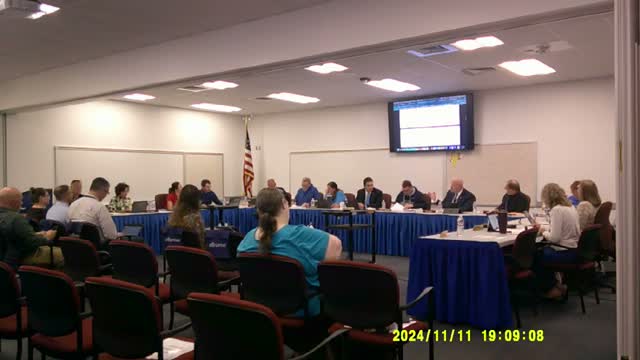
Summary
Board reviewed a proposal to move $3.2 million into a capital reserve to help fund roughly $6 million in facility upgrades; members debated whether one-time funds or recurring operating increases better address the long-term ACTI mortgage and possible tax impacts.
Members of the Littlestown Area SD discussed a proposal to transfer $3.2 million into the district's capital reserve to help fund planned facility projects, and debated whether the transfer and project timing could lead to future tax increases tied to long-term debt for a regional program called ACTI.
Speaker 1 described the scope of the projects as middle school and high school upgrades, including gym and HVAC and roof replacements, and said the state awarded about $2.5 million for each project while the total project cost is roughly $6 million. "The state gave us awarded us $2,5 hundred thousand a piece for each of those projects," Speaker 1 said during the discussion, and added the $3.2 million transfer would make funding available but does not itself authorize design, bidding or construction.
Some board members cautioned that using a one-time surplus to mask recurring costs could be misleading. Speaker 5 warned that ACTI represents a recurring mortgage payment and that if the district does not build recurring revenue into the operating budget, taxpayers may face future levy increases. Speaker 2 urged an incremental approach, noting the district recently implemented a 1% recurring increase and that additional steps are needed over multiple years to sustainably cover debt service rather than relying on one-time balances.
Speaker 4 framed the issue from a taxpayer perspective and questioned the optics of having multi-million-dollar fund balances while discussing tax increases: "When you have 3,750,000.00 and last year's 4,000,000... We're having these surpluses and we're taxing the residents. It doesn't look good," Speaker 4 said.
Board members agreed the transfer would not itself approve specific projects; Speaker 1 said scope and bids will be reviewed in future facilities and board meetings and that any project would still be subject to design, bidding and additional approvals. No formal vote on the transfer was recorded in the transcript.
What happens next: staff will continue project scoping and return with further details on scope, costs and timeline; the board signaled it expects additional budget discussions about whether to fund recurring ACTI costs via operating levy steps or other measures.