Get Full Government Meeting Transcripts, Videos, & Alerts Forever!
Get email alerts on the Veterans Services topic
No spam. Unsubscribe anytime.
Commissioners defer $20,000 FireWatch grant decision, seek deliverables after state funding dropped
Summary
FireWatch asked Clay County for a $20,000 ARPA contribution to support veteran suicide‑prevention work after the group reports state funding cuts. Commissioners expressed concern about reach, measurable local ROI and the group's statewide expansion; the board voted to continue the item to November so staff can craft a reimbursable, deliverable‑based agreement.
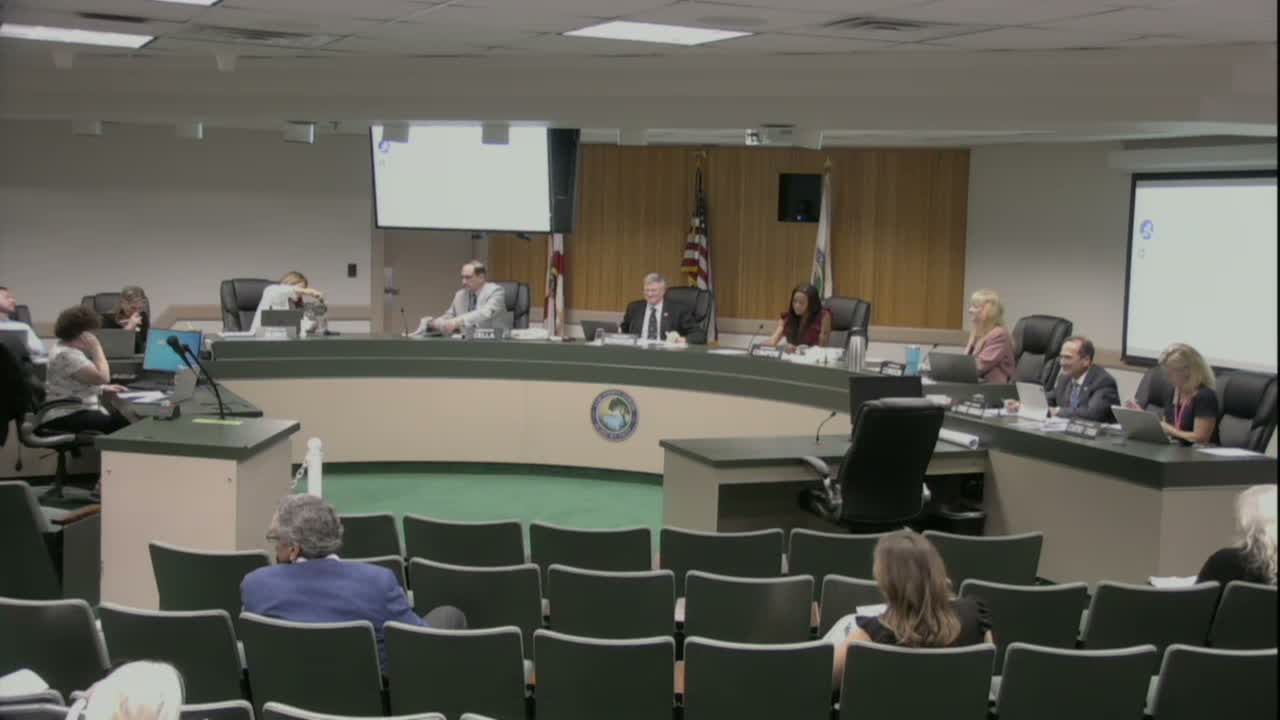
Derek Collins, regional programs director for the FireWatch veteran suicide‑prevention program, told the Clay County Board of County Commissioners on Oct. 22 that the nonprofit has expanded statewide but lost anticipated state funds in the latest legislative session. Collins said FireWatch had produced local results — a reported reduction in veteran suicides where the program operates — and asked the board to consider a $20,000 operational award from ARPA funds.
Commissioners pressed for specifics. Several members said they supported FireWatch’s mission but worried that with the organization expanding beyond the five‑county founding area, Clay County taxpayers needed assurance that county dollars would benefit local veterans. “How do we tell our citizens this is a good return on investment?” asked a commissioner during the exchange. Commissioners also asked whether FireWatch would return for more funds if state support failed to materialize; Collins said he could not promise the executive director’s budget decisions but reiterated the group's commitment to Clay County programming and offered quarterly reporting on interactions and outreach if requested.
At least one commissioner moved to deny the funding outright; another commissioner suggested an alternative approach: rather than a blanket grant, structure county funding on a reimbursable basis tied to deliverables (for example, a set dollar amount per training event held in Clay County or per verified local interaction). County staff and the FireWatch representative agreed to that path. The board voted unanimously to continue discussion and to direct staff and legal to draft an executable reimbursement model and related contract language for the Nov. meeting.
Outcome and next steps: The board did not award the $20,000 at the Oct. 22 meeting. Instead, it asked staff and FireWatch to develop a deliverable‑based agreement (reimbursement for services performed in Clay County), and to return with recommended contract language and measurable reporting at the board’s second November meeting.