Get Full Government Meeting Transcripts, Videos, & Alerts Forever!
Get email alerts on the Solid Waste topic
No spam. Unsubscribe anytime.
Clay County presses FCC over missed trash pickups as county ramps up storm-debris cleanup
Summary
County residents sharply criticized the newly contracted trash provider, FCC, over missed pickups, long call-hold times and limits on what the carrier will collect. FCC told commissioners it will add a third‑party call center, finish cart swaps and run extra yard‑waste trucks; county emergency staff outlined a coordinated multi‑step storm‑debris plan tied to FEMA rules.
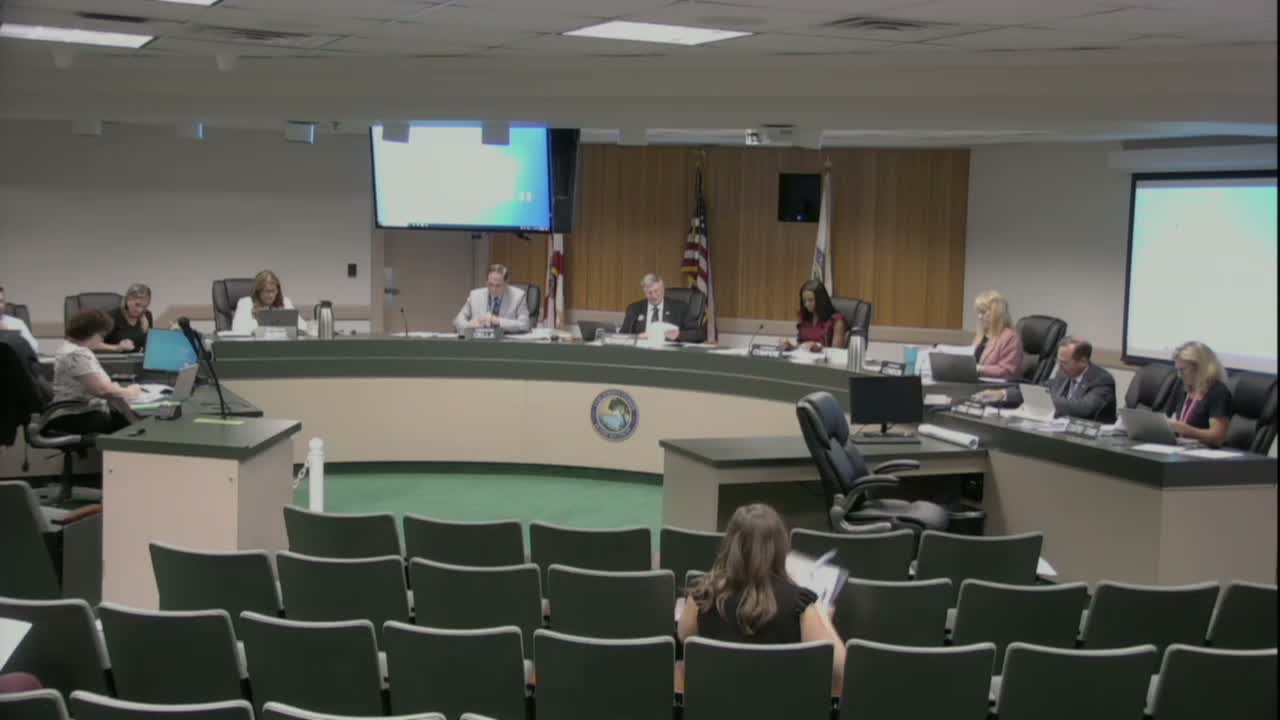
Residents and commissioners pressed Clay County’s new trash contractor and county staff on Oct. 22 over weeks of missed pickups, long phone hold times and the handling of storm debris after Hurricanes Helene and Milton.
At a public‑comment block and during a lengthy staff presentation, multiple residents described full carts left at curbs, bulky-move‑out piles not collected, and a perception that the contractor will only pick up items that conform exactly to new cart rules. “It’s just unreasonable that we can fit the amount of trash into this one receptacle in one week,” said Adam Warren of Orange Park, who asked the county to waive fees for an extra can for large families. Several other speakers said they regularly see bulky household items and tree debris sit for days at the roadside.
FCC operations manager Doug Philip told the commission that the startup period had rough spots but that performance is improving: crews have dialed in routes, a vendor is swapping oversized 95‑gallon carts for 60‑gallon carts (about 600 swaps under way), extra‑cart deliveries will open Nov. 1, and the first quarterly bill will cover December plus the following months. Philip said FCC will invoice quarterly and that the first invoice will include the month of December. To address resident calls, FCC plans to contract with an outside call center and to roll out an online service form so residents can report problems without long phone wait times.
But commissioners and callers continued to report chronic misses in certain pockets and long waits for phone answers. “If they hang up, how then can you service them?” asked Commissioner Reinegar (district attribution per meeting roster). FCC acknowledged that if a caller hangs up before leaving a message, the company may have no record of the missed pickup; Philip said the call‑center contract and an online ticketing form are expected to reduce that failure mode.
County emergency‑management staff and public‑works officials explained why some debris piles have not been removed: Clay County activated two debris operations after consecutive storms and is running a layered FEMA‑compliant process. FCC is handling the first pass for bagged or containerized yard trash up to 3 cubic yards; county crews and vendor claw trucks then collect medium and larger vegetative piles; a federally managed debris contractor handles very large or eligible loads subject to strict FEMA documentation. Emergency Manager Timothy Devon said the county has collected roughly 8,549 cubic yards at certified sites in the first two weeks of the response and is prioritizing route clearance while managing a rapidly changing, multi‑state debris demand for equipment and claw trucks.
County staff and FCC agreed on several near‑term fixes: run dedicated “mistrucks” within 24 hours to pick up reported misses; deploy additional yard‑waste trucks on weekends; complete the cart swaps before Nov. 1; implement a reimbursable extra‑cart application and program; and stand up a third‑party call center to reduce hold times and improve callback rates. FCC said drivers are coached to collect reasonable overloads at the curb and that chronic misses will be flagged in their routing system.
The board directed staff to continue to press the vendor for measurable improvements and to report progress at upcoming meetings. County staff reminded residents of bulk‑pickup rules in the contract (one bulk pickup per month per residence up to roughly three cubic yards) and of county drop‑off sites for certain debris types.
What happens next: staff and FCC will deliver a progress update to commissioners and continue to coordinate the county debris‑removal plan and FEMA documentation. The county asked residents to use the available reporting channels and follow public guidance for storm‑debris placement to speed collection.