Get Full Government Meeting Transcripts, Videos, & Alerts Forever!
Get email alerts on the Punitive Damages topic
No spam. Unsubscribe anytime.
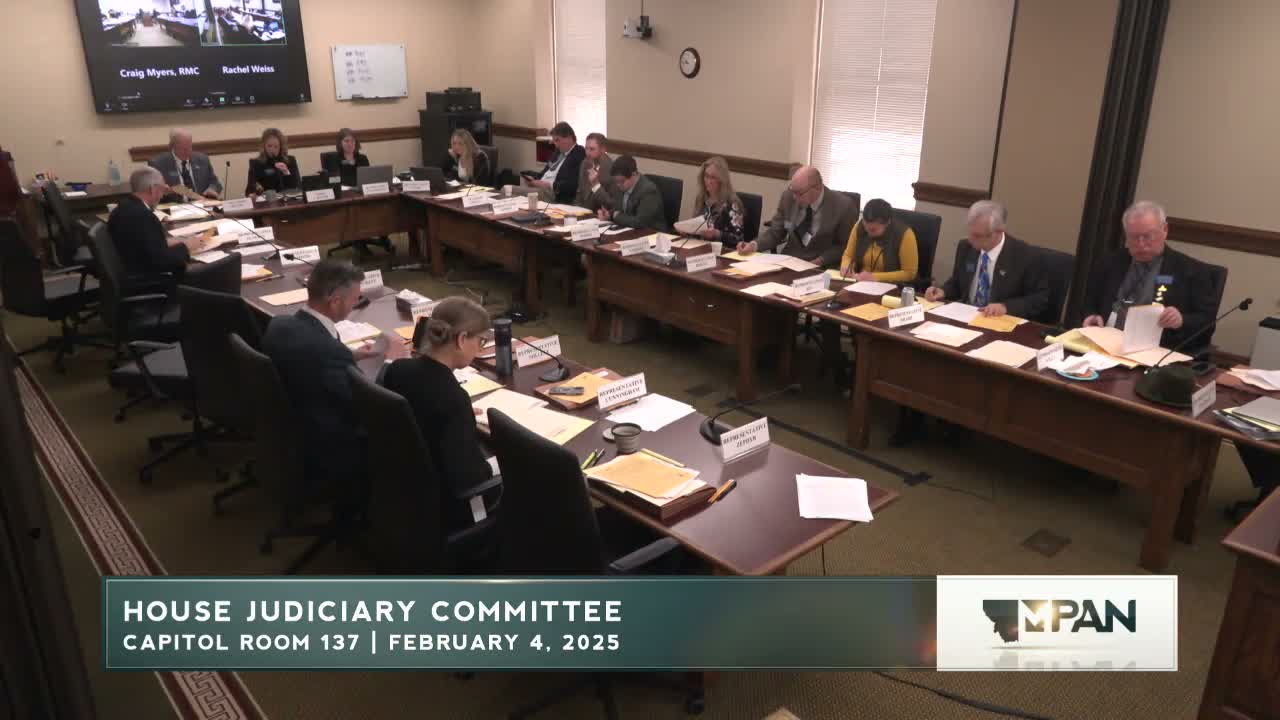
Panel weighs HB 302 to add evidentiary hearings for punitive‑damages claims
Summary
Sponsor says HB 302 will let courts test punitive‑damages evidence under oath with cross‑examination before trial; opponents contend 2023 reforms already restrict punitive claims and the bill risks duplicative, resource‑intensive mini‑trials that prolong cases.
Representative Anthony Nicastro opened the hearing on House Bill 302, describing the proposal as a procedural refinement to the state's punitive damages rules. He said HB 302 would let either party request a short evidentiary hearing on affidavits submitted in support of a punitive‑damages claim so the court can hear live testimony and conduct cross‑examination before deciding whether to allow the punitive claim.
Supporters including the Montana Chamber of Commerce said the change would prevent evasive affidavit practice and improve fact‑finding on a high‑stakes issue. "If you're going to make the claim on punitive damages, you gotta show up and that you have a basis for the claim," Brian Thompson said.
Opponents — including Roger Sullivan, the Montana Trial Lawyers Association and plaintiff‑side attorneys — argued the legislature tightened punitive‑damages procedures in 2023 and that HB 302 would impose costly evidentiary mini‑trials, duplicate evidence, and delay resolution. They warned the change could compel victims and witnesses to testify multiple times and could slow cases rather than streamline them.
Sponsor Nicastro said hearings would often be brief and would subject affidavit assertions to cross‑examination, potentially weeding out affidavit overreach. The committee concluded the public hearing and indicated it would consider the testimony in executive session.