
Unionville-Chadds Ford board approves purchase of five electric buses, authorizes solar-grant application
Get AI-powered insights, summaries, and transcripts
Subscribe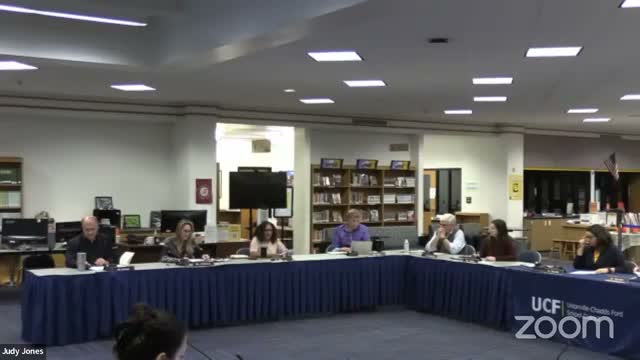
Summary
The board approved buying five Creator Type C electric buses (total price $1,901,706; net cost stated as $397,697 after grants) and passed a resolution to apply for a Pennsylvania solar grant; both votes passed 9–0.
At its Nov. 18 meeting, the Unionville-Chadds Ford School District board approved two capital-related motions: the purchase of five Creator Type C electric buses and a board resolution authorizing application for a Pennsylvania solar grant.
Dr. O'Keefe moved to approve the purchase of five Creator Type C electric buses at a total purchase price of $1,901,706. He said the acquisition is being offset by multiple funding sources — an EPA grant, an Inflation Reduction Act Direct Pay grant and a Pennsylvania DEP grant — and that the district’s stated net cost for the five buses is $397,697. Board members described hands-on test rides, operational advantages such as quieter, air-conditioned vehicles, and the training and maintenance demands that follow the district’s electric-bus pilot. Several members requested periodic operational updates; administration agreed to provide regular feedback on driver and mechanic experiences during the pilot.
The motion passed by a 9–0 vote.
On the solar proposal, Dr. O'Keefe moved to approve a board resolution to apply for a Pennsylvania solar grant and the transcript includes an unclear stated motion amount (variously transcribed as "5,900" and later "59,100"). Board discussion clarified that tonight’s action authorized application only — not approval of the full installation expenditure — and that the district estimates a full project could cost about $1,000,000 with a potential $300,000 grant and possible IRA funding to reduce upfront cost. The board approved the resolution 9–0 and noted more due diligence and a separate future approval would be required before any installation.
Both actions were framed by board members as timely opportunities to take advantage of grant funding while remaining cautious about long-term economics and operational learning curves for new technologies. The board’s votes were unanimous.
Next steps include administration providing quarterly or bimonthly updates on electric-bus operations and continuing due diligence on any solar project before a final investment decision.