Get Full Government Meeting Transcripts, Videos, & Alerts Forever!
Get email alerts on the Labor Gig Economy topic
No spam. Unsubscribe anytime.
Nebraska debate sharpens over bill to lock in rideshare drivers as independent contractors
Summary
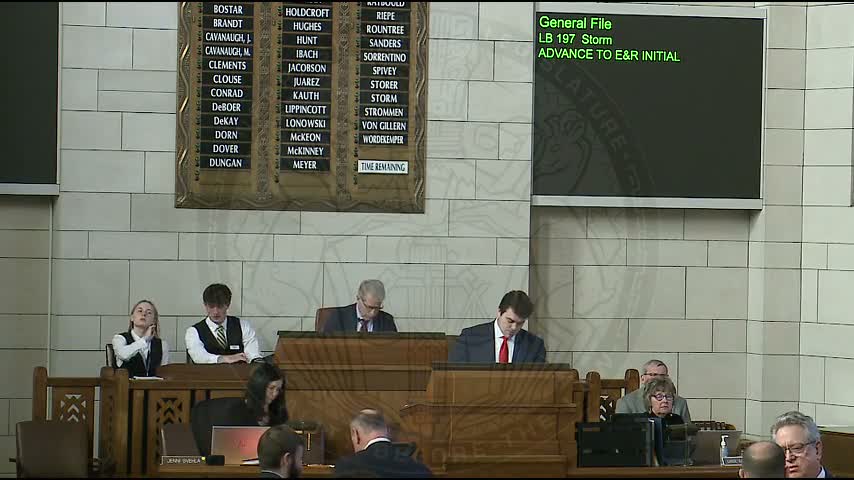
Lawmakers spent the session debating LB 229, which would statutorily define marketplace network drivers (e.g., Uber, Lyft) as independent contractors. Supporters say the change preserves flexible app work and legal clarity; opponents warn it would preempt workers’ rights to organize and foreclose future reclassification.
Senator Hallstrom, sponsor of LB 229, told the Nebraska Legislature that the bill would "define the independent contractor status of individuals engaged in the marketplace network" and "remove the uncertainty" for rideshare drivers who use app-based platforms. He framed the bill as a narrow measure aimed only at marketplace network contractors and said it would not change how drivers are paid or when they choose to work.
Supporters on the floor argued the bill simply codifies longstanding legal tests and protects a flexible model of app-based work. "Drivers determine when they work, they buy and insure their own car, and the initiative is up to the driver," Senator Sorrentino said, summarizing elements of the Department of Labor's multi-factor tests. Senator Jacobson likened drivers to franchisees, saying making them employees would "probably destroy the rideshare business." Senator Von Gillen said the use of a platform does not by itself convert contractors into employees and urged colleagues to "read the bill" before opposing it.
Opponents questioned the need for statutory intervention and warned of unintended consequences for workers' rights. "If this bill passes, that will be impossible" for drivers to later seek employee status, Senator McKinney said, arguing the legislation "puts business over people." Senator Hunt also cautioned that the bill would tilt the playing field in favor of large corporations and make it harder for workers to attempt to unionize or collectively bargain.
Several senators raised legal and policy concerns. Senator Duncan said tests used to classify workers have evolved and courts are still weighing whether older standards fit the gig economy; he urged caution before codifying a single approach. Senator Conrad asked what specific problem the bill is intended to solve and suggested the Legislature vet the measure further and consider targeted amendments. Senator Quick and others said they would have preferred to hear more lived-experience testimony from drivers in committee.
The debate on LB 229 threaded questions about federal preemption, tort liability, and the scope of coverage. Sponsor Hallstrom said the bill excludes taxis, FedEx and similar traditional delivery firms and contains an exemption for delivery companies. He also told colleagues that the bill is intended to prevent other states' actions or litigation from creating uncertainty in Nebraska.
What happens next: The floor debate did not conclude with a vote on LB 229 during this session; senators continued to debate the bill at length and asked for additional review and possible amendments. The Legislature adjourned until Feb. 3, 2025.