Get Full Government Meeting Transcripts, Videos, & Alerts Forever!
Get email alerts on the Tax Policy topic
No spam. Unsubscribe anytime.
Resident outlines tiered tax ideas, infrastructure surcharges and municipal Bitcoin proposal
Summary
Resident Kenneth Parley asked the liaison committee to consider a tiered tax structure with primary‑resident exemptions, infrastructure surcharges for developers, balance‑sheet investments and even municipal Bitcoin as a hedge; councilors praised the out‑of‑the‑box thinking while cautioning about legal and technical constraints.
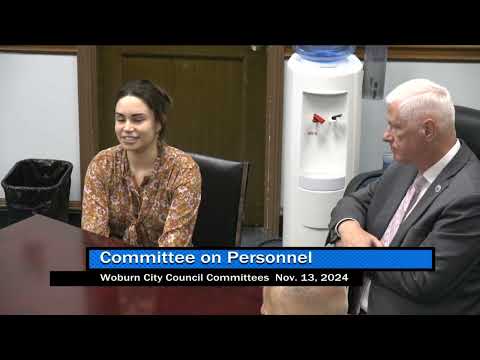
Kenneth (Ken) Parley presented a set of tax and revenue ideas to the liaison committee, urging the city to consider new tools to preserve housing affordability and shore up infrastructure funding.
Parley raised concerns about development along Route 93 and the effects of middle housing, saying the city should explore a tiered tax structure — a model he said has precedent in cities like New York and Chicago but not in Massachusetts — with exemptions for primary residents to promote homeownership in large multiunit buildings.
He also proposed an infrastructure surcharge to make developers pay a share toward long‑term system replacements, citing concerns about aging sidewalks, roads and pipe networks that will require large future investments. Parley referenced the city’s rainy‑day fund figures and warned about "black swan" liabilities such as PFAS contamination.
Parley suggested the city investigate balance‑sheet mitigation strategies and, controversially, said he is an advocate for municipal consideration of Bitcoin as an asset hedge. He pointed to recent regulatory language and corporate examples where Bitcoin is treated as a commodity and argued that some jurisdictions already accept crypto for tax payments.
On assessment equity, Parley argued the current metrics do not always reflect local infrastructure disparities — for example, lots without legal roads or sidewalks receiving similar assessed values to better‑serviced properties — and urged the assessor’s office to review neighborhood differences.
Councilors responded that the ideas were worthy of discussion but flagged potential legality and structural limits under state and federal law. Multiple councilors thanked Parley for his engagement, suggested staff and department heads review the proposals, and said the council would hold further public meetings on topics such as the Wyman site.
The committee did not take any formal action on Parley’s proposals; members said they would investigate legal constraints and convene follow‑up conversations.