Get Full Government Meeting Transcripts, Videos, & Alerts Forever!
Get email alerts on the Education Funding topic
No spam. Unsubscribe anytime.
Lawmakers split on education funding: stipends, paid student teaching and off‑formula schools
Summary
House and Senate leaders reiterated agreement on some education items but remain divided over a $99 million staff stipend proposal, paid student teaching, maternity leave supplemental and whether funding off the formula should be ongoing. Subcommittees will vote on disputed items. (Chairmen and education chairs cited)
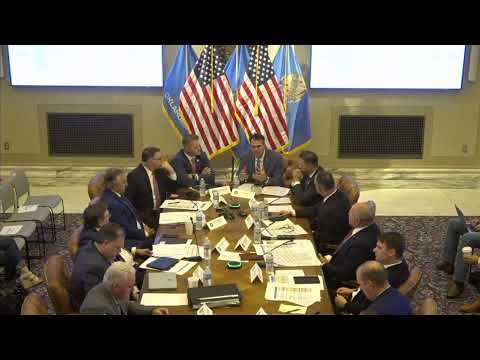
Lawmakers spent a substantial portion of the session comparing House and Senate positions on education spending. Both chambers signaled agreement on several items (concurrent enrollment, debt service and certain higher education amounts), but the largest education disagreements remained unresolved.
The House listed a $99,000,000 position for staff stipends in its portal; the Senate asked to table that item and questioned whether stipends and other support‑staff increases should be ongoing or one‑time. The parties discussed where funds should come from — activity budgets, the base funding formula or a targeted supplemental — and whether local districts would lose autonomy if support staff raises required future legislative approval.
On paid student teaching, House and Senate positions diverged: the House signaled funding in the activities budget and some one‑time supplements, while the Senate said its earlier negotiation position was 0 on recurring paid student‑teaching requests but not opposed to scholarship and one‑time supports already authorized.
Speakers also discussed a FY24 supplement for maternity leave requested at $2.3 million and a proposed FY25 addition of $2.5 million. Chairmen said they would reconcile these items in subcommittee hearings. Several speakers stressed their shared commitment to funding teacher pay increases but cautioned against adding recurring obligations that exceed recurring revenue.
No final votes were taken; items were routed to subcommittees for public hearings and an expected reconciliation of positions.