Get Full Government Meeting Transcripts, Videos, & Alerts Forever!
Get email alerts on the Deferred Maintenance topic
No spam. Unsubscribe anytime.
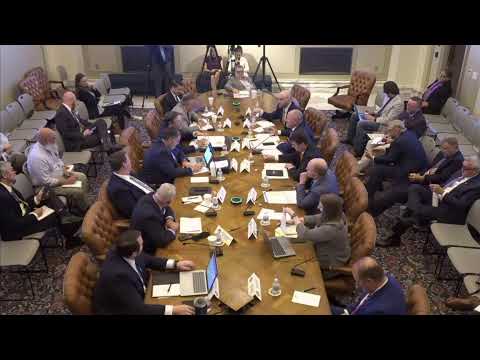
Leadership nears agreement on $350M deferred‑maintenance plan; initial allocation splits favor state buildings and higher education, lawmakers also tentatively
Summary
Negotiators described a $350 million deferred‑maintenance plan with $125 million in year one and later-year apportionments; they also tentatively agreed to a roughly 7% district‑court pay increase while flagging downstream effects on district attorneys and parity questions for related offices.
House and Senate negotiators outlined a deferred‑maintenance proposal that would make $350,000,000 available for facility repairs and maintenance across multiple years. Under the plan discussed, $125,000,000 would be available in the first year, followed by $75,000,000 in each of the next three years; beginning in 2029 an additional $50,000,000 apportionment would be added to ongoing funding.
For year one, negotiators proposed allocating the $125,000,000 as 45% to state assets (OMES list), 10% to tourism (state parks), and 45% to higher education, with more detailed higher‑education formulas in later years (research universities reentering the formula after year one at a smaller share, with fours and twos receiving 50%/30% type splits).
Separately, leaders discussed judicial pay. The governor and negotiators converged on a roughly 7% increase targeted to district‑court judges only. Participants noted that district attorneys’ pay is tied by statute to a percentage of judge pay and that increasing judge pay will have downstream fiscal effects; negotiators agreed to have public‑safety subcommittee chairs reconcile exact dollar impacts and parity issues for appellate or other prosecutors.
Lawmakers emphasized the need to codify allocation processes and to allow future legislatures to reevaluate sunset provisions. They also requested staff to work through lists from OMES, higher education and parks to set year‑one priorities and to broaden the list in later years. The meeting did not include a final vote or implementing language.
Next steps: staff to vet lists and numbers; chairs to reconcile prosecutor parity and the district attorney cost impacts of a judge‑pay increase.