Get Full Government Meeting Transcripts, Videos, & Alerts Forever!
Get email alerts on the Positive Childhood Experiences topic
No spam. Unsubscribe anytime.
Researchers argue 'we are the medicine' — evidence and tools to boost positive childhood experiences
Summary
At the Resilient Tennessee Summit, Johns Hopkins’ Dr. Christina Bethel and Tufts’ Dr. Robert Sege presented research and practical frameworks (ENACT and HOPE) showing how relational health and cumulative positive childhood experiences (PCEs) reduce mental‑health risk and improve lifelong outcomes.
Two national researchers told Tennessee policymakers and practitioners that evidence supports a deliberate shift from deficit‑focused screening to building relational health and positive childhood experiences.
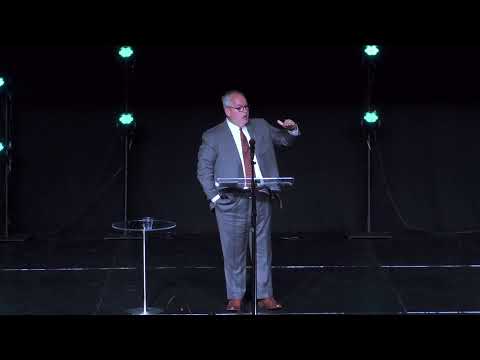
Dr. Christina Bethel, founding director of child and adolescent health initiatives at Johns Hopkins, said the goal of the ENACT (engagement in action) framework is "positive health equity" — organizing services so that agencies work together to promote child flourishing rather than merely reduce risk. "We are the medicine," Bethel told the room, stressing that relationships, family resilience and community supports are the primary levers for prevention and healing.
Tufts pediatrician Robert Sege reviewed population analyses that add PCE questions to existing surveys. He described Wisconsin and Tennessee analyses showing that children reporting higher accumulations of positive experiences have substantially lower rates of depression, substance use and later chronic disease. Sege summarized his team's approach as measuring PCEs alongside ACEs, then using those measures to inform practice and policy.
Presenters outlined implementation tools: a policy playbook, a well‑visit planner that standardizes family engagement and cross‑sector measurement sets, and curricula to train HOPE facilitators and organizational leaders. Both speakers emphasized that the evidence is cumulative and context‑sensitive; they urged local adaptation rather than one‑size‑fits‑all models.
What happens next: Speakers and organizers offered slide decks and training resources to attendees and encouraged agencies to pilot HOPE facilitation, include positive‑experience screening alongside ACE screening and align performance measures across programs so outcomes can be tracked consistently.