Get Full Government Meeting Transcripts, Videos, & Alerts Forever!
Get email alerts on the One Time Funds And Budget Process topic
No spam. Unsubscribe anytime.
Commissioners press staff on "one‑time" funds labeled as ongoing services during FY26 kickoff
Summary
Board members asked staff to clarify which items on the one‑time list are truly nonrecurring and requested aggregated data showing whether one‑time resources were spent or remain available; commissioners warned labeling ongoing services as 'one‑time' could mask future service reductions.
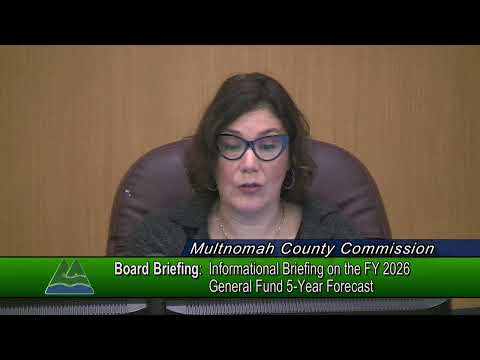
During the fiscal‑year‑2026 forecast briefing, commissioners raised concerns that some items listed as "one‑time" resources are supporting ongoing services and asked staff for clearer reporting.
Jeff Renfro said the county has about $35.1 million of one‑time resources available for FY26 after maintaining board‑policy reserves; that pool is composed of FY24 departmental underspending (about $26.1 million, with technical adjustments), current‑year forecast deviations and ARP interest. By board policy that pool is normally split between facility/IT capital and discretionary allocations.
Commissioner Brown Edwards said some items appearing on the one‑time list — for example, neighborhood DA victim assistance and other positions — are effectively ongoing services even if they were funded temporarily with one‑time dollars. "It's classified as one time only money, but it's really ongoing services," she said and requested future presentations aggregate whether one‑time monies have been spent and whether those items are truly one‑time.
Christian, the county budget officer, said the budget director's message already distinguishes capital (truly one‑time) from one‑time investments that fund services, and staff offered to add clearer aggregates and memos that show whether one‑time funds were actually spent and whether items are recurring in practice. Staff also told the board they will add memos that break down departmental underspending by department.
Why it matters: treating ongoing services as one‑time can understate future structural deficits and delay difficult decisions. Commissioners requested clearer, aggregated reporting to avoid conflating temporary funding sources with ongoing program obligations.
Next steps: staff agreed to provide more granular, aggregated data on one‑time expenditures (whether committed or spent) and to flag items that appear truly ongoing despite one‑time funding so the board can decide whether to add them to the FY26 baseline deficit.