Get Full Government Meeting Transcripts, Videos, & Alerts Forever!
Get email alerts on the Mckinney Vento topic
No spam. Unsubscribe anytime.
RSU 09’s new family engagement/McKinney‑Vento coordinator reports rising caseload and community partnerships
Summary
Amanda, RSU 09’s family engagement and student support coordinator (McKinney‑Vento), reported a current caseload of 58 McKinney‑Vento students and about 55 students being served via community‑connect supports districtwide; she highlighted housing referrals, partner nonprofits, DHHS collaboration and training to expand staff capacity.
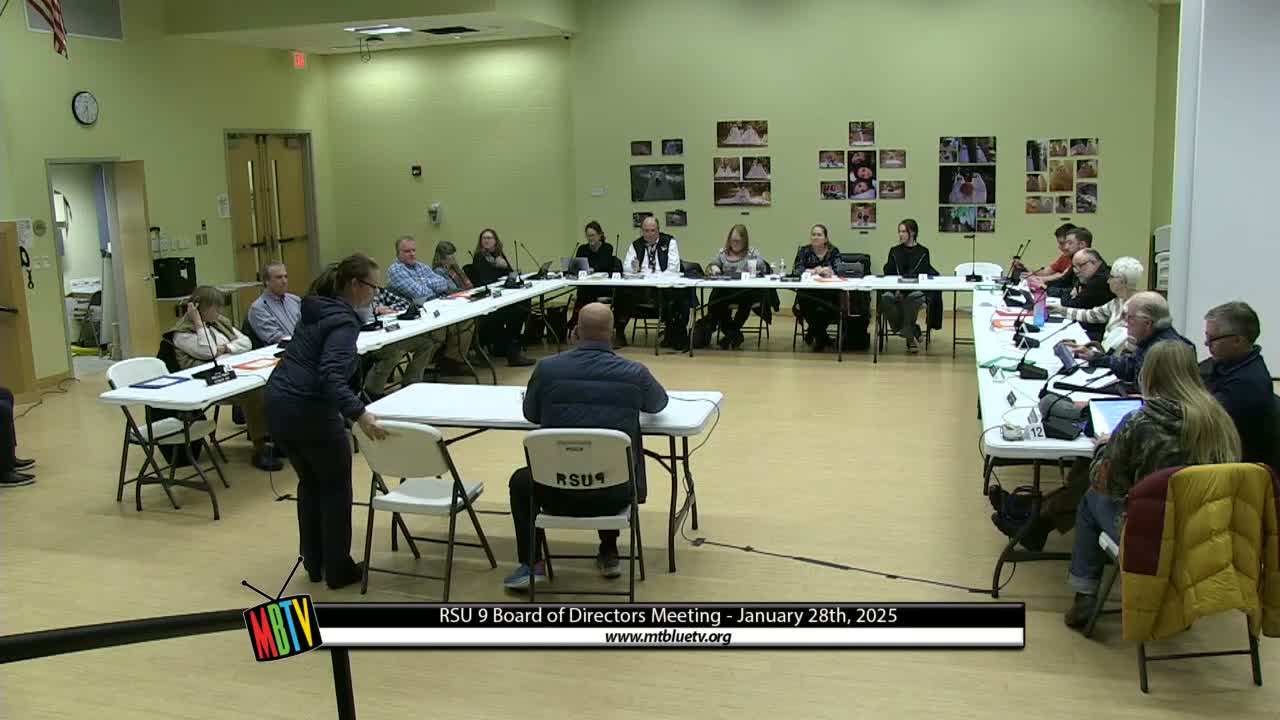
Amanda, RSU 09’s family engagement and student support coordinator responsible for McKinney‑Vento services, told the board that the district is currently serving 58 students identified as McKinney‑Vento (unstable or insufficient housing) and is working with roughly 55 students districtwide through community‑connect case coordination.
Amanda described a dual role focused primarily on preK–5 elementary schools while also serving as a district‑level McKinney‑Vento contact. She said services provided to eligible families include housing referrals, emergency supplies, tutoring, mental‑health referrals and case management, and cited collaboration with the Maine Department of Education (which supplies the district’s preventing‑homelessness grant), the Department of Health and Human Services (DHHS), Spring Harbor, local pediatrics, local food pantries and a housing‑repair nonprofit referred by a board member.
Amanda said counts fluctuate and that more families experiencing doubled‑up living situations likely go unidentified; she described an electronic referral process and regular community‑connect meetings where teams coordinate wraparound supports. She also outlined training plans for staff on McKinney‑Vento eligibility and on classroom regulation strategies to decrease dysregulation and support students.
Board members praised Amanda’s work and asked about overlaps across schools and the size of the caseload; Amanda said some family cases overlap across schools and PowerSchool’s family association tools help coordinate services. She noted the role requires coordination and that district teams support the work.
Next steps: Amanda will continue outreach and training work, and the board encouraged continued use of partnerships to reach families who may be eligible but not yet identified.