Get Full Government Meeting Transcripts, Videos, & Alerts Forever!
Get email alerts on the Human Resources topic
No spam. Unsubscribe anytime.
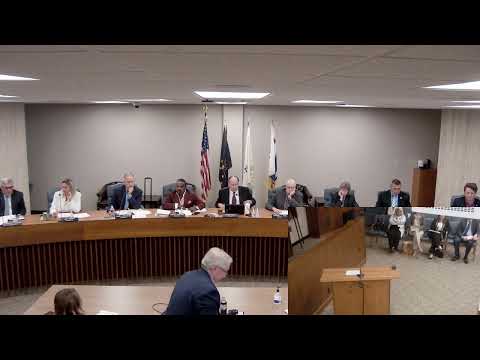
Council tables county handbook changes after debate over PTO conversion and protections for longtime employees
Summary
After heated discussion and testimonies from HR and residents, the council voted 6–3 to table Bill 66-24 (handbook revisions) to allow more department-level briefings; staff proposed an Option 2 that converts time to a 288-hour PTO bucket while banking excess sick hours for catastrophic use.
The council on Oct. 8 deferred final action on proposed county personnel handbook changes after extended debate about how accrued sick time and paid-time-off (PTO) would be handled.
County counsel and HR staff presented two options to restructure leave benefits. Option 1 would have converted and capped total paid leave at 288 hours and could have resulted in some longtime employees losing accrued sick balances beyond that cap. In response to employee concerns, county staff circulated an Option 2 addendum that would convert leave into a PTO bucket while preserving a separate "sick bank" for accrued time in excess of the new bucket, allowing employees to draw on that bank in cases of catastrophic illness. HR presented estimates for potential fiscal impacts and said immediate payouts would be spread over time.
Presenters emphasized the objectives behind a handbook redesign: to modernize recruitment and front-load benefits for new hires while recognizing that some legacy employees had very large accrued sick balances. HR said roughly 13% of employees would be affected by a conversion and provided preliminary cost estimates (staff estimated an illustrative $722,000 to $1.2 million range depending on inclusion of sheriff’s department employees) for balancing legacy accruals under Option 2.
Some council members urged postponement to allow department heads and elected officials broader opportunity to review Option 2 and enable HR to hold additional meetings. Other members said Option 2 addressed principal employee concerns and expressed willingness to adopt amendments at the meeting. After discussion, a motion to table Bill 66-24 to the November meeting passed 6–3.
Councilors asked HR to host further collaboration sessions (HR scheduled an HR collaboration meeting Nov. 6) and directed staff to circulate Option 2 and clarifying language about elected-official authority and corrections to scrivener errors before the next meeting.