Get Full Government Meeting Transcripts, Videos, & Alerts Forever!
Get email alerts on the City Budget topic
No spam. Unsubscribe anytime.
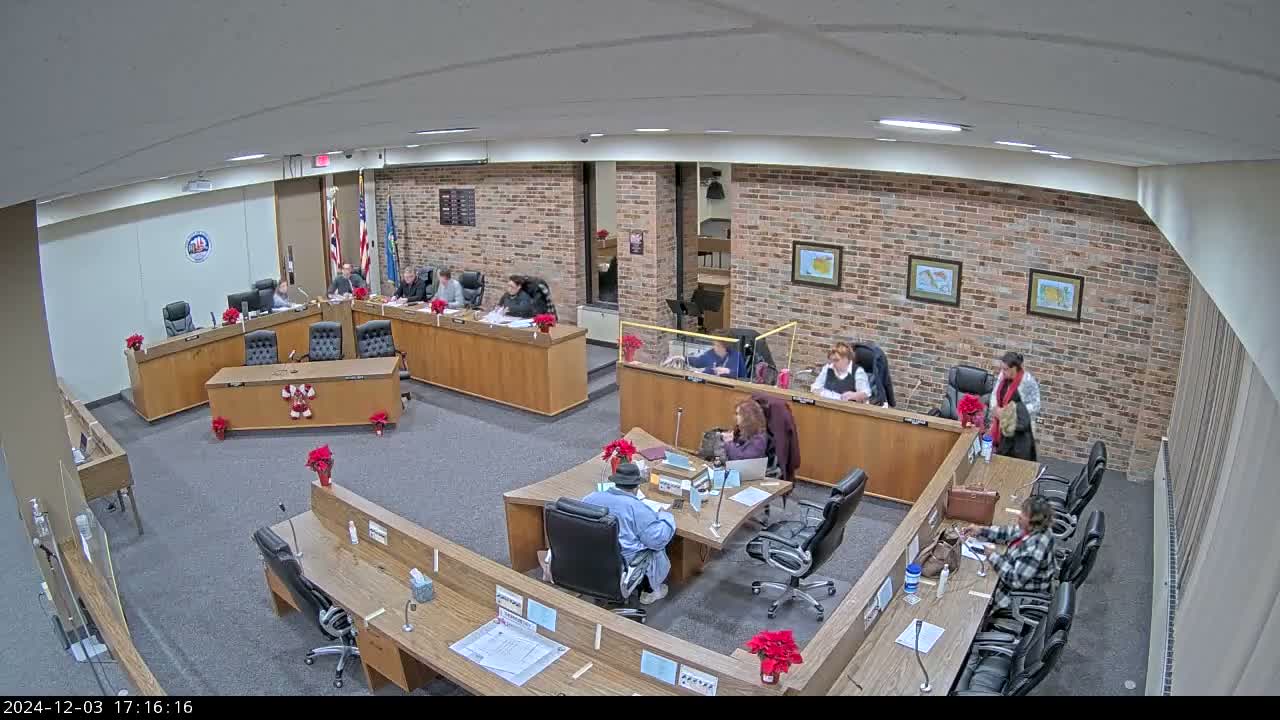
Lorain budget committee reviews 2025 expense requests; mayor reallocates $40,000 vehicle allocation to travel and dues
Summary
At a budget meeting, Lorain City Council members reviewed the 2025 expense budget, questioned rising hospitalization and overtime costs, flagged a $200 recording-fee omission, discussed city-issued phone records and agreed revenue estimates will be presented next week.
Lorain City Council’s budget committee spent its session reviewing proposed 2025 expense budgets and asking staff for clarifications on several line items, with particular attention to rising hospitalization costs, a $200 spreadsheet omission in the clerk of council totals and a reallocation of a previously approved $40,000 vehicle allowance.
The committee chair opened the meeting explaining the review process and asked department representatives to summarize high points. An unidentified presenter said hospitalization costs are increasing each year and that the city — which is self‑insured — has been working with human resources to encourage employees to use lower‑cost care options, describing the annual hospitalization rise as “averaging $1,000,000.” Council members pressed staff for context and for historic comparisons to be included in future packets.
Councilwoman Carter flagged a calculation error in the council clerk printout and asked auditors to correct a missing $200 recording‑fee line. “There was $200 missing under the grand total for the clerk of counsel,” she said, and asked that staff ensure the system is not omitting line items. Auditors agreed to correct the spreadsheet.
Members also questioned a set of office‑supply and stationery figures that showed $298 in 2024 actuals but a $5,000 request for 2025. Auditors said they will verify actuals and determine whether the higher 2025 request is warranted or should be reduced.
The mayor — identifying himself during the review — explained that a $40,000 allocation previously approved for a mayoral vehicle was not spent after the mayor used a vehicle provided by the police department. “Since I was became the mayor, I just always used my own vehicle,” he said, and described using a donated police vehicle and later a Chevy Tahoe instead of buying a new car. He told the committee that those previously earmarked vehicle dollars were moved into the mayor’s travel and membership lines to pay dues and conference expenses. Council members asked whether the transfers required formal action; auditors said the auditor’s office worked with the mayor to make transfers and that council’s approval of expenditure policy remains the ultimate prerogative. Councilwoman Spinkowski offered to move that the finance committee give the mayor discretion over those conference expenditures when the full budget is approved.
The committee discussed city‑issued cell phones after a council member said city phones help separate public records from private messages and make it easier for the city to manage any records requests. Some council members asked whether the cell‑phone line should be reviewed as a potential expense to cut; others defended the phones as a way to protect members’ private communications.
On staffing and departmental expenses, the law director noted modest increases for a LexisNexis research subscription and for a new hire’s salary but said those costs are largely offset by savings from a departing long‑term employee. Auditor staff explained that comp‑time and overtime entries sometimes require year‑end transfers and that some 2024 actuals were still being reconciled on the updated 12/3 packet.
Treasurer staff told the committee that revenue worksheets and estimates will be presented at Thursday’s utility budget meeting and that the committee should expect a full revenue package next week. The treasurer also reported year‑to‑date collections were ahead of typical estimates for November.
The committee set follow‑up items for auditors and department heads to reconcile the noted discrepancies, to provide historical budget comparisons in future packets, and to present full revenue estimates next week. With no further business, the chair adjourned the meeting.