Get Full Government Meeting Transcripts, Videos, & Alerts Forever!
Get email alerts on the Public Lands Campgrounds topic
No spam. Unsubscribe anytime.
Utah House approves bill to create process for 'state campgrounds,' requires local review
Summary
The Utah House passed HB 34 on Jan. 22, 2025, 69–3, establishing a process for designating small, low‑service "state campgrounds" distinct from state parks and requiring Division of State Parks review and consultation with local elected bodies and SITLA where applicable.
The Utah House of Representatives on Jan. 22 passed House Bill 34, a measure establishing a formal process for creating “state campgrounds” intended to allow the state to designate small, minimally staffed camping sites on parcels adjacent to federal or public lands.
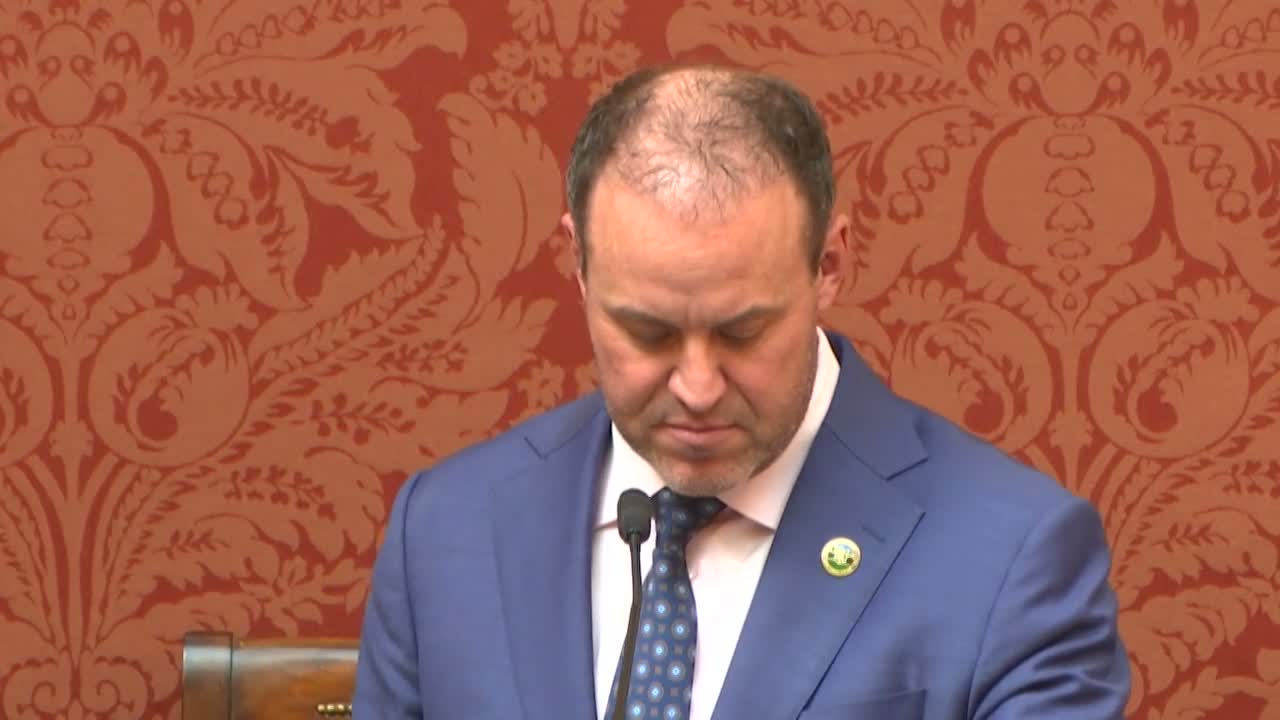
Representative Stevie Lissen, the bill sponsor, told the chamber the designation is narrower than a state park and does not change existing processes for creating parks or monuments. Under the bill, the Division of State Parks would evaluate proposed sites for viability and consult with the local county or municipal legislative body and the area’s state senator and representative; if any of those local entities object, the division would not forward the recommendation to the Legislature for final action.
Lissen said the tool is aimed at expanding recreational access while respecting local voices and limiting the size and scope of any campground: “This would be kept to the minimum size necessary to carry out the purpose of a campground,” the sponsor said, describing a model that could rely on volunteer hosts and would be less expensive to operate than a staffed state park.
Representative Albrecht asked whether the bill would change how campgrounds within existing state parks are created; Lissen answered that it would not and reiterated that the new designation is intended for small, focused campgrounds on otherwise undeveloped parcels, and that the Recreation and Public Purpose (RPP) Act and State Institutional Trust Lands Administration (SITLA) parcels could be avenues to pursue sites.
Representative Chu warned of potential overuse of public lands as recreation demand grows and urged careful siting and management to avoid concentrated impacts; Lissen and other supporters said the bill’s local-consultation requirement and narrow scope were designed to address those concerns.
The House approved HB 34, 69–3. The bill now moves to the Senate for consideration.
The chamber’s debate distinguished this new “state campground” designation from state parks and monuments and emphasized local consultation, minimal footprint, and options for low-cost operations. No fiscal note was attached to the bill on the floor because the legislation itself does not create any named campground or funding obligation—rather, it creates a statutory pathway for future proposals to be evaluated and, if supported locally and by the division, considered by the Legislature.