Get Full Government Meeting Transcripts, Videos, & Alerts Forever!
Get email alerts on the Property Condemnation topic
No spam. Unsubscribe anytime.
Louisa County tables decision on condemnation after lengthy debate over FEMA deed restrictions
Summary
Supervisors tabled action on a condemnation matter that now names the county a party, citing FEMA deed restrictions, unresolved easement/access questions and an imminent condemnation-board hearing; the board moved the issue for consideration by the incoming board on Jan. 2.
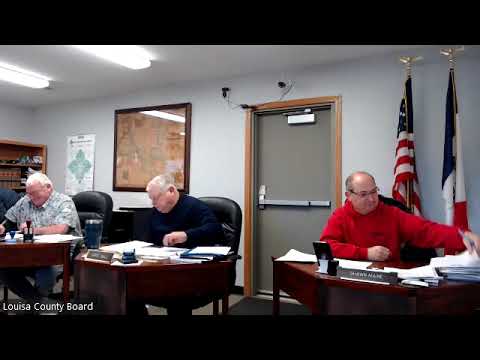
Louisa County supervisors on Dec. 17 voted to table consideration of an amended condemnation filing that now names the county as a party, after a lengthy discussion about access, FEMA deed restrictions and legal process.
County staff told supervisors the condemnation application had been amended to include the county and that the county ordinarily would file an answer when named. Staff also said the condemnation board is scheduled to meet Jan. 13, which creates a narrow window if the county wants to participate in the proceedings. After extended back-and-forth about whether the matter should be decided by outgoing supervisors or deferred to the newly sworn board, supervisors moved to table the issue to the Jan. 2 meeting; the motion carried by voice vote.
The most detailed dispute centered on a parcel identified in the meeting as Lot 6, which the county holds subject to FEMA deed restrictions that limit the county’s ability to permit improvements. Several speakers described earlier offers to neighboring property owners intended to provide access across private land, and at least one supervisor said those offers were declined. One supervisor said he had already spent money trying to resolve access issues, telling colleagues, “I spent $30,000 already on trying to get to property that isn't worth much more than that.” (Speaker 6).
County counsel/staff described the limitations FEMA restrictions impose: the property can be maintained and grazed but may not be altered in ways that increase its value (for example, by paving or adding permanent structures). Staff warned that even an easement could carry the deed restriction forward, complicating any plan to create a durable access route. Supervisors and staff also recounted historical access problems—witnesses said a railroad bridge that once provided access washed out in floodwaters, leaving the remnant path uncertain.
Supervisors said the question involved both legal risk and institutional continuity. Several board members argued it would be preferable for the newly seated board to resolve the matter because any decision will be long-lived; others urged an immediate response because of the Jan. 13 condemnation-board schedule. Ultimately the board deferred the decision until Jan. 2 so the incoming board can review the record and weigh options.
What happens next: the condemnation board meets Jan. 13; the county has been asked to state whether it will participate and how it will respond. The board’s Jan. 2 meeting is scheduled to include a fuller discussion of legal options and possible answers to the condemnation filing.