Get Full Government Meeting Transcripts, Videos, & Alerts Forever!
Get email alerts on the Reinvestment Zone topic
No spam. Unsubscribe anytime.
La Porte council expands Reinvestment Zone No. 1, approves $20M-plus Main Street planning
Summary
The City Council approved a 4th amendment to Reinvestment Zone No. 1 to expand the zone by about 323 acres and allow projects including a Main Street master plan, intersection improvements and a Big Island Slough trail; staff said the zone’s fund balance is roughly $25 million and estimated a full Main Street build-out could cost around $20 million.
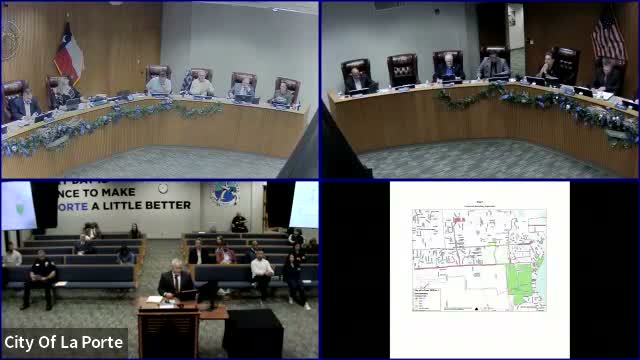
La Porte — The City Council on Tuesday adopted Ordinance 2025-4035 approving the 4th amendment to Reinvestment Zone No. 1, expanding the zone by roughly 323 acres to include additional redevelopment areas and infrastructure projects.
City staff said the Tax Increment Reinvestment Zone (TIRZ) has a fund balance of about $25 million and is projected to have more than $50 million by the zone’s expiration in 2034 if the city does not spend increments now. The amendment lists priority projects including an intersection improvement at West Main and South 16th, a Main Street master plan, a Big Island Slough hike-and-bike trail and a bird sanctuary. Staff gave a preliminary cost estimate of about $20 million for a full Main Street reconstruction from the downtown area to State Highway 146.
Councilman Martin moved to adopt the ordinance and Council approved it after a public hearing and brief questions about costs and boundaries. Council members heard concerns from residents and neighborhood representatives earlier in the meeting about nearby industrial activity and drainage in the Lomax and surrounding areas.
Staff said the next steps include returning a preliminary engineering report and traffic impact analysis to the TIRZ board for refinement of project scopes and more precise cost estimates. The ordinance authorizes implementation of plan elements, distribution of plan documents and sets an effective date consistent with the city’s procedures.
The council did not reduce or rescind the zone’s existing obligations; staff noted that unused increment that is not spent goes back into the general fund as a lump sum when the zone expires, which could affect the city’s revenue rate in subsequent years.
The ordinance passed by voice vote with no opposed votes recorded.