Get Full Government Meeting Transcripts, Videos, & Alerts Forever!
Get email alerts on the Coroners topic
No spam. Unsubscribe anytime.
County coroners present draft statute to clarify duties, training and reportable deaths
Summary
Bennett County coroner Tory Danner and the Idaho Association of Counties presented a legislative draft to the Joint Legislative Oversight Committee to tighten coroner duties, expand reportable deaths, tie education to ABMDI‑approved courses and explore death‑certificate funds for training; legislators pressed for a dollar figure to fund reforms.
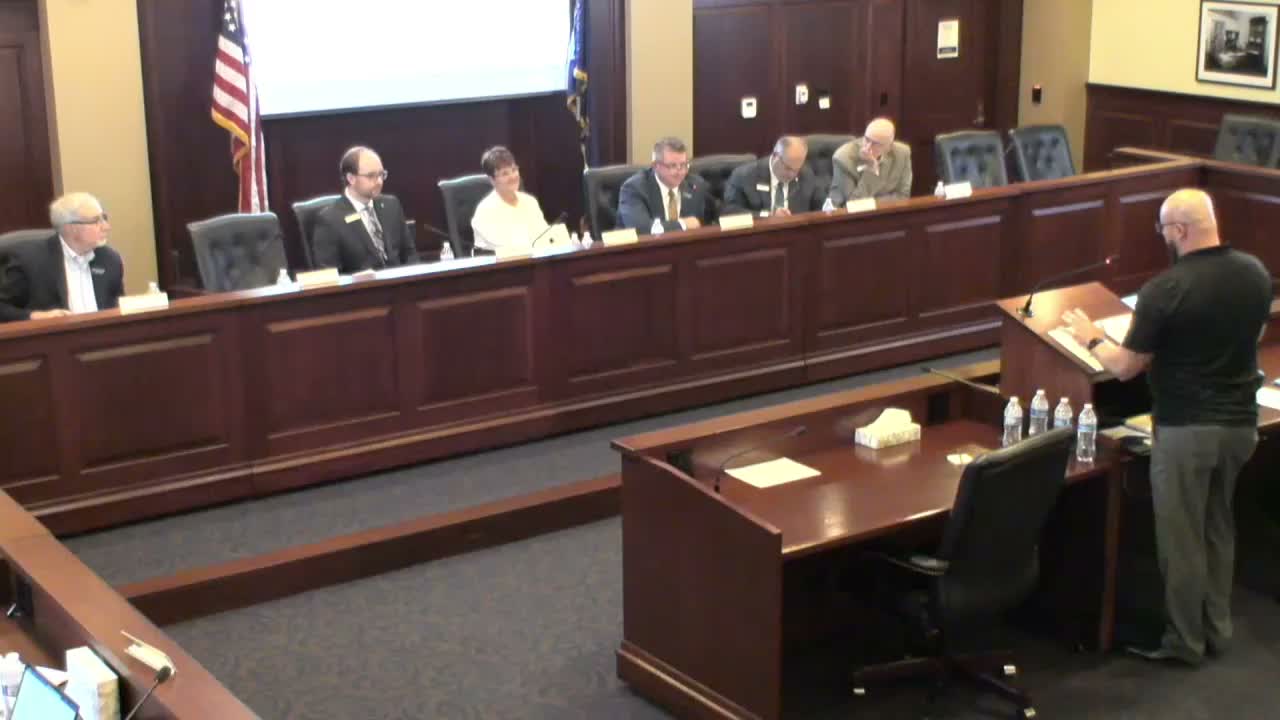
Tory Danner, Bennett County coroner and vice president of the Idaho State Association of County Coroners, told the Joint Legislative Oversight Committee that coroners drafted statutory changes to respond to the Office of Performance Evaluations' review.
The draft would add a dedicated powers and duties section for coroners, expand the list of deaths required to be reported to coroners, and add a new definitions section that the group said will reduce jurisdictional confusion. "We added 23 definitions," Danner said while summarizing the legislative draft the group compiled with representation from each district in the state.
Kelly Brasfield of the Idaho Association of Counties walked the committee through the proposed language. The draft narrows existing ambiguous wording on autopsies so it aligns with Idaho practice of having forensic pathologists perform autopsies; it ties education requirements to courses approved by the American Board of Medicolegal Death Investigators (ABMDI) and would require newly elected or appointed coroners to attend a coroner school within one year of taking office. Brasfield said two of the three recommended courses are virtual, which could ease access across the state.
The draft also proposes using funds collected through death certificates to reimburse coroners and deputies for training and certification fees. "We added the coroner to the section that allows salaries and consistency across the county," Brasfield said, explaining changes to statutory cross‑references.
Legislators asked detailed questions. Senator Lent questioned why the draft lists "radiation" among reportable causes; Brasfield said the inclusion was to cover incidents linked to nearby federal facilities and that the working group would revisit that item. Representative Burch pressed for a top‑line dollar estimate of funding needed to bring coroner services up to national standards, citing OPE's finding of low autopsy rates and gaps in capacity. Danner said the funding calculation is complex and depends on county‑by‑county needs and that the committee is still assessing feasible, staged changes.
Committee members signaled willingness to work with the coroners' legislative group on refining language and funding options ahead of the next legislative session. The presenters said jurisdictional questions about coroner authority will be scoped separately because those changes could affect other agencies and require additional analysis.