Get Full Government Meeting Transcripts, Videos, & Alerts Forever!
Get email alerts on the Tax Cap topic
No spam. Unsubscribe anytime.
Attorney outlines implications of proposed 2.5% tax cap for Timberlane
Summary
Legal counsel explained how adopting RSA 32:5-b (a 2.5% tax-cap petition) would limit the district's tax-raising authority, include operating budget and warrant articles with tax impact, and be amendable or overridable at deliberative session; board members questioned interaction with existing contracts.
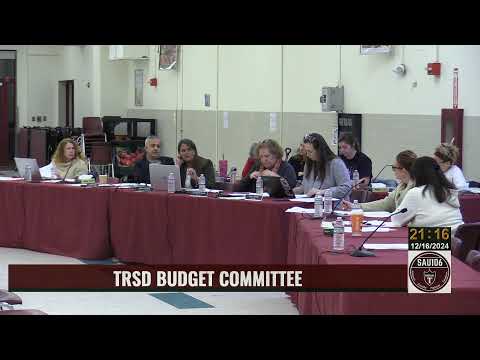
At the joint Timberlane Regional School District meeting, attorney Jim O'Shaughnessy walked the committee and board through petition warrant article number 4, which proposes adopting RSA 32:5-b to cap the district’s increase in the amount raised by local taxes at 2.5% in the first year. "The tax cap shall not increase the amount to be raised by local taxes based on the prior fiscal year's actual amount of local taxes raised by more than 2.5%," O'Shaughnessy recited, and then explained the statute's mechanics: the cap applies to the operating budget plus all warrant articles with a tax impact, and fund balance amounts brought forward can be added back into the base before applying the cap.
O'Shaughnessy noted recent statutory changes and options the legislature added (for example a 1b formula that accounts for CPI and population change) but emphasized those options were not part of the petition before Timberlane. He also explained the governance mechanics: adoption requires a three-fifths vote at deliberative session, and the legislative body may override the cap in later years using the same procedures. "The tax cap is really irrelevant once you get to deliberative," he warned, describing how voters and the deliberative session can amend or override the cap within statutory constraints.
Board members raised immediate concerns about how a tax cap would interact with existing collective bargaining agreements and voter-approved contracts that could push costs above the cap. O'Shaughnessy said contractual increases would need to be absorbed elsewhere in the budget or addressed through deliberative amendments; he noted that districts in New Hampshire and cities sometimes use similar caps and that the process changes the budgeting conversation but does not eliminate the need to reconcile CBAs and other fixed costs.
The presentation was intended to equip voters and committee members to weigh the statutory effects and procedural options before deliberative session; O'Shaughnessy offered to provide further clarifications ahead of that meeting.