Get Full Government Meeting Transcripts, Videos, & Alerts Forever!
Get email alerts on the Federal Funds At Risk topic
No spam. Unsubscribe anytime.
Transition panel warns recovery projects and federal funds face real risk without faster contracting, tighter oversight
Summary
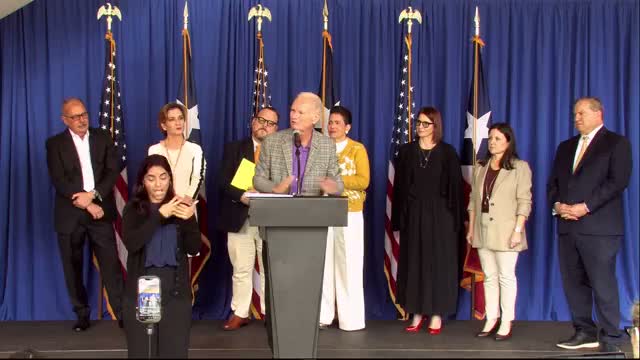
Committee members and reporters discussed the risk that thousands of recovery projects could be lost if contracts are not signed before program deadlines; speakers pressed for faster procurement, consolidation of small projects, and scrutiny of repeated contractors and consultant roles.
Committee members warned that substantial federal recovery funding could be at risk if projects do not move from planning into contracted construction before program deadlines. The meeting chair said the committee’s review of agency tables showed roughly 23,370 projects assigned and about 3,461 completed as of September, leaving roughly 19,909 projects in planning, design or permitting stages — categories that risk cancellation if FEMA or program administrators deny further extensions.
“Si el proyecto está en etapa de planificación…y llega a la fecha límite, FEMA puede decidir…si no te la acepta perdiste el proyecto, perdiste el dinero y perdiste el proyecto,” the meeting chair said, explaining how administrative deadlines convert into real risk for municipal and islandwide projects.
Speakers also raised procurement concerns. One committee member noted that the housing agency has nearly doubled staff but consultant spending remained stable; some consultants, they argued, act as operators rather than advisers, which can impede knowledge transfer and perpetuate outside firms’ presence. The panel cited repeated appearances by particular firms in housing and in COR3 contracts and urged scrutiny of duplicated or overlapping services.
Members pointed to unused local funds and unrealized assets as practical resources that could be deployed: a committee member said the Housing Financing Authority holds about $12 million that has earned interest for years and that there are about 400 repossessed houses that, with modest rehabilitation (figures cited in session suggested about $30,000 per house in one scenario), could shelter hundreds of families.
Journalists asked how the administration can overcome a nationwide shortage of construction labor and deserted bids. The chair suggested grouping many small projects into larger packages, a tactic Bayamón used to attract contractors, and said the governor‑elect had already begun outreach in Washington to request administrative support and extensions where appropriate.
No formal votes were taken at the press conference. Committee staff said reports and underlying tables will be made available to journalists and that the transition committee will submit recommendations to the incoming administration.