Get Full Government Meeting Transcripts, Videos, & Alerts Forever!
Get email alerts on the Education K 12 topic
No spam. Unsubscribe anytime.
Kelly Elementary tells Grand Forks school board: new sensory room, PBIS and data-driven supports are driving gains
Summary
Kelly Elementary staff told the Grand Forks school board they have added two special‑education classrooms and a PTO‑funded sensory room, shifted interventions after ESSER funding ended, and set multi‑year goals in ELA and math while reporting measurable subgroup gains on STAR assessments.
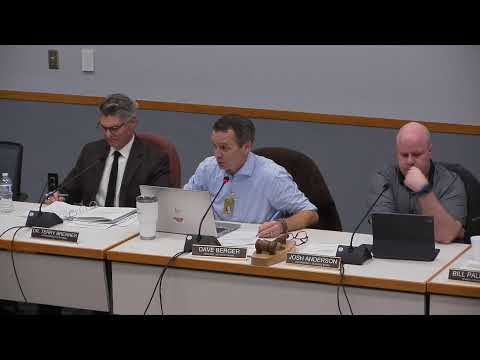
At a Grand Forks Public Schools board meeting, presenters from Kelly Elementary described recent facility and program changes they say are supporting student growth, including two new special‑education classrooms located centrally in the building and a sensory room funded by the parent‑teacher organization.
Presenter (Kelly Elementary) told the board the school enrolls 472 students and outlined its demographics: "83% white students, 3% Asian, 5% Black, 5% Hispanic, and 3% Native American," and that 12% of students are on IEPs. The presenter said the school used ESSER dollars plus district funds to reconfigure space and add two autism classrooms (a K–2 setting and a 3–5 setting) so those services are now a hub in the center of the building.
School staff described instructional priorities and targets. The school has set an English‑language-arts goal to increase proficiency from 63% in 2022–23 to 72% by Sept. 2028 using NDSA measures, and a math goal with the same 72% target. "We are starting off with a high percentage of students who are proficient or advanced proficient at Kelly School," Presenter (Kelly Elementary) said, and staff emphasized using STAR assessments and regular "data digs" to identify subgroup needs.
Staff reported subgroup improvements in short windows of monitoring: overall fall STAR proficiency rose from 58% to 71% between the fall and November windows, low‑income students increased from 38% to 54% on fall STAR measures, and the school said IEP students doubled on a recent measure. The presenters cautioned that some subgroup results can reflect enrollment turnover; when a board member noted the Native American subgroup’s large change, the presenter attributed it to student in‑ and out‑migration.
The presentation also addressed staffing challenges after ESSER funding waned. Presenter (Kelly Elementary) said the school lost a funded interventionist and now relies on one elementary literacy specialist and a mix of specialists (gym, music, library) who use pockets in their schedules for intervention. "We lost our interventionist being a non Title 1 school," the presenter said, noting the staff had to be creative to preserve supports.
Behavioral supports and social‑emotional learning were a major focus. Ms. Schmidt described a newly adopted behavior‑intervention flowchart that classifies minor and major behaviors, an initial three‑week rollout of expectations, and a Cougar Pride weekly recognition block. The school reported a decline in fall referrals from 50 last year to 24 this fall after implementing the flowchart and related PBIS practices.
Counseling staff summarized SEL priorities by grade band (K–2: emotional regulation; 3–5: self‑efficacy), use of Panorama SEL survey data to form tier‑2 groups, and collaboration with CVIC for 10‑week therapy groups. The presenters said the school now has two full‑time counselors and a part‑time social worker who is in the building five days a week.
Special‑education staff described sensory-room operations: teachers refer students via a Google form, visits are scheduled for 5–10 minutes with a check‑in/reflection sheet, and the room is available to all students (not just those with IEPs). The presenters provided usage data: daily visits rose from 148 to 233 and the average is about 14 visits per day. Presenter credited volunteers and building‑and‑grounds staff, including Mike Brockmeier and a Kelly parent, and said the PTO paid for the sensory room.
Board members used the Q&A to press on several operational and policy points: whether sensory‑room use is voluntary (staff said teacher referral via form and multiple students can be scheduled), the impact of ending an "intro to kindergarten" program (staff said readiness and early assessment levels appeared lower this year), and the need for additional intervention staff. When asked what the school would most like, multiple presenters answered: "an interventionist."
The board did not take action on the presentation itself; it moved on to committee reports and consent and business items after the Q&A.
Ending: Board members praised the presentation and the district proceeded to the Government Affairs Committee report and other agenda items.