Get email alerts on the SNAP Transition topic
No spam. Unsubscribe anytime.
Transition team: $125M needed for NAP→SNAPP migration; child-care plan must be approved by Dec. 31
Summary
Officials warned the administrative migration from NAP to SNAPP will require roughly $125 million to match federal funds and flagged a Dec. 31 approval deadline for a redesigned state child-care plan; technology, regulation and overnight-care shortages for working mothers were also raised.
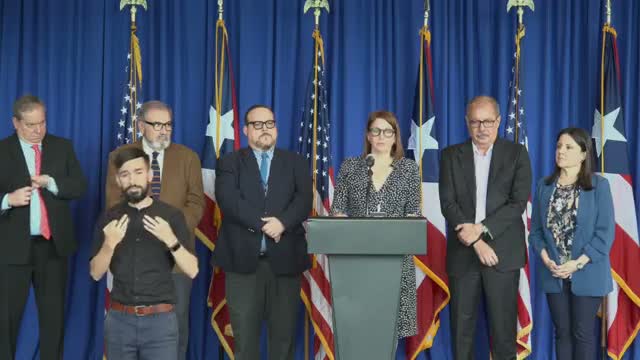
Speakers at the Transition 2024 - 2025 session said the administrative and technological costs of migrating benefit systems from NAP to SNAPP will be substantial. "Nos hablaron de la necesidad de de identificar los ciento veinticinco millones que se necesitan para atemperar los gastos administrativos que representan el cambio de NAP a SnapP," Speaker 1 said, and Speaker 4 reiterated the $125 million estimate while emphasizing regulatory and IT burdens.
Speakers said the state child-care plan includes "cambios significativos" and that the transition team expects it to be approved by Dec. 31. The plan was framed as central to enabling parents—particularly young working parents—to remain in the labor force by expanding child-care availability and supports.
Committee members and public commenters raised specific operational gaps: Speaker 5 said only one overnight child-care center exists for the island, while about 2,000 mothers participate in the voucher program and some work night shifts. Speaker 10 asked how to expand overnight centers and Speaker 1 said increased voucher availability could sustain private overnight providers but that specific site-level data was not available at the meeting.
Next steps: Officials said they would pursue regulatory work, technological planning, and seek the $125 million match; committee members requested detailed implementation plans and data on overnight-care capacity.
AI generated
The text on this page is AI generated. Summaries, highlights, analysis, and video transcripts are all produced from the original source material.
AI can make mistakes, so if you spot one, and we will fix it for everyone.
Note: the source content is unaltered by us. Any content source we link to, be it a video, an audio recording, or a document, is presented exactly as its publisher released it. That publisher is usually a government body, sometimes an individual official or another organisation.