Get Full Government Meeting Transcripts, Videos, & Alerts Forever!
Get email alerts on the Business Regulation topic
No spam. Unsubscribe anytime.
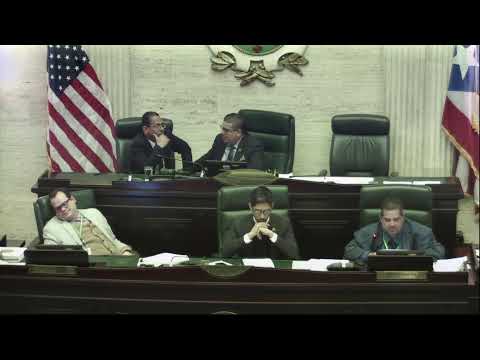
House approves HB 1066, authorizes conference committee after debate over gas‑station contracts
Summary
After debate by multiple representatives about possible effects on small retailers, the House approved HB 1066 and sent disputed language to a conference committee; proponents said the measure protects contractual obligations and large capital investments while opponents warned of intrusion into private contracts.
The House of Representatives approved House Bill 1066 on Sunday after floor debate and an agreement to convene a conference committee to resolve disputed language.
Representative Bernardo Márquez, who opened debate, said the bill "proposes amendments that change the business structure regarding gasoline distribution," and relayed concerns submitted in memorials: the Department of Justice is withholding comment because of pending federal litigation, and the Association of Gasoline Retailers warned the changes could "implicate a benefit for larger distributors and a negative implication for smaller retailers." Márquez called the concerns to the floor’s attention and asked that they be considered in conference negotiations.
Representative Rodríguez Aguiloso argued against what he described as legislative intrusion into private contracts, saying the chamber should avoid regulating commercial agreements between brand owners and independent retailers unless there is a clear public purpose. "If a small retailer wants to sign a contract with restrictive brand conditions, that is the retailer’s responsibility," he said, urging caution about unintended effects on small businesses.
The chamber’s majority spokesperson, identified in the record as Matos García, responded that the measure aims to ensure contracts are honored and recognizes the substantial capital investments some operators make — citing average investments of roughly $200,000–$250,000 for modernization and compliance. Matos García agreed with sending contested language to a committee of conference "so that we can work out those controversial terms," and the floor approved that procedural step.
The presiding officer then put the measure to a vote; the clerk recorded the outcome as approved. The House did not record in‑chamber amendments that changed the bill’s core directive on contract enforcement in the floor exchange summarized here. The next procedural step is the conference committee to reconcile the House and any Senate text before final enrollment.
The House moved immediately on to other items on its calendar after the vote.