Get Full Government Meeting Transcripts, Videos, & Alerts Forever!
Get email alerts on the Procedural Dispute topic
No spam. Unsubscribe anytime.
Late-night roll call draws objection; members dispute whether final vote was opened on time
Summary
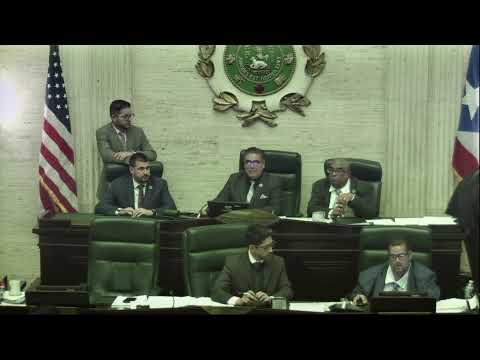
During the House's late-night final voting sequence, a member alleged the roll call opened after the announced time and called the vote illegal; presiding officers replied the vote began two minutes earlier and defended the process. The disagreement was recorded on the floor and minority delegations reportedly did not participate.
A procedural dispute emerged late on June 25 as the House conducted a final voting sequence. A member (recorded in the transcript as 'speaker 11') challenged the timing of the roll call, arguing the vote was opened after the time announced to the chamber and therefore was improper. The member stated that statutory and constitutional precedent required the roll call to be available at the announced time.
Presiding officers disagreed. The presiding officer and floor leadership replied that the roll call had been opened 'two minutes before,' and the presiding officer defended the validity of the vote. The record includes both the objection and the presiding officer’s pushback: the clerk later reported that none of the measures obtained the required votes in that particular sequence, and leaders recorded that minority delegations did not participate in the procedure.
Why it matters: Procedural disputes about roll-call timing can create grounds for legal challenges or requests for reconsideration if parties claim rules were not followed. The transcript documents the objection on the floor and the presiding officer’s contrary statement; it also records follow-up comments about how leadership intends to proceed with budget votes and potential adjustments to the record.
What was said (verbatim excerpts from the floor):
“...la votación es ilegal porque no... estuvo disponible en el momento...” — objection recorded by the member raising the point (transcript excerpt).
Presiding officers responded that the voting had opened two minutes before and defended the process on record.
Next steps: The disagreement was entered on the floor record. Leaders scheduled the chamber to reconvene to complete budget votes and calendar work the following business days. Any party wishing to challenge the legality of the roll call could pursue remedies under chamber rules or through formal motions or petitions for review; the transcript itself records only the assertion and the rebuttal, not a subsequent judicial or committee determination.
Provenance: objection and rebuttal recorded at SEG3291–SEG3316.