Get Full Government Meeting Transcripts, Videos, & Alerts Forever!
Get email alerts on the Lgbt Immigrants topic
No spam. Unsubscribe anytime.
Commission hears presentation on needs of LGBTQ+ older immigrants; presenter urges better data and community outreach
Summary
At a commission meeting, Dr. Luis Alvarez Hernandez of Boston University outlined gaps in data and services for LGBTQ+ older immigrants, estimated nearly 7,000 LGBT undocumented adults in Massachusetts, and recommended compiling member-organization data, expanding representation and using community liaisons for outreach.
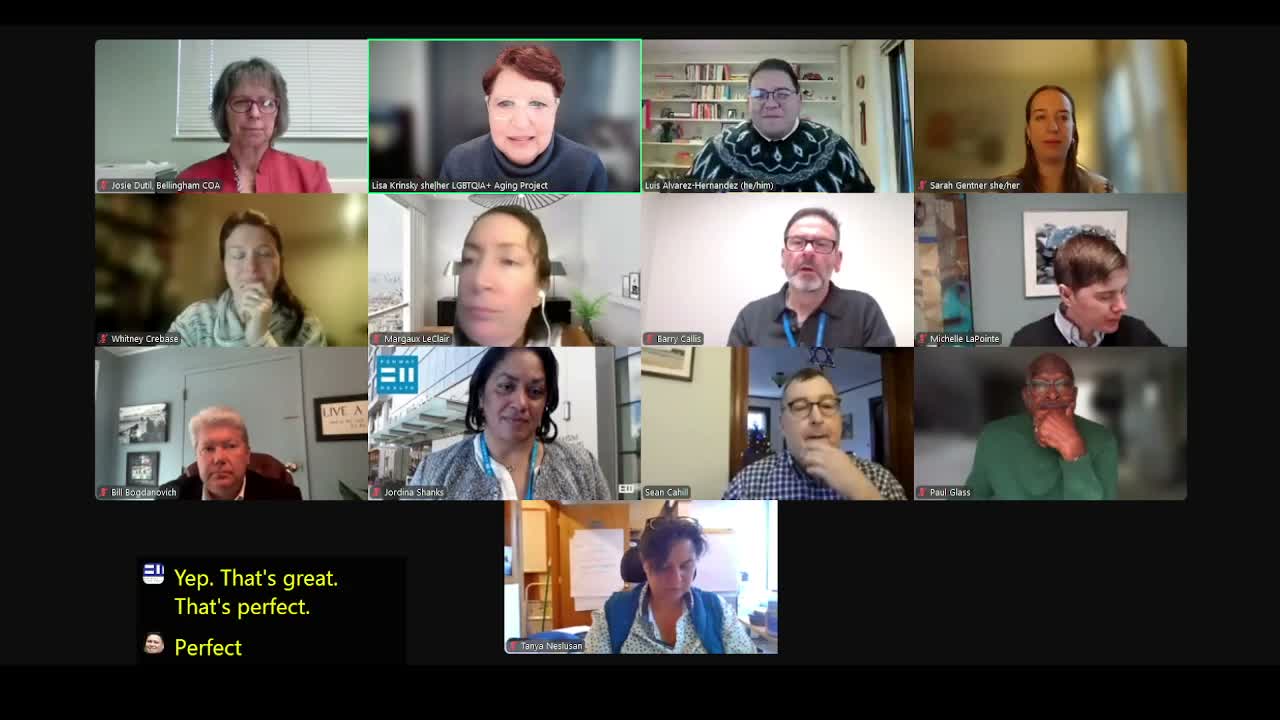
At a recent meeting of the LGBT Aging Commission, Dr. Luis Alvarez Hernandez, assistant professor at Boston University’s School of Social Work, told commissioners the state needs better data and targeted outreach to serve LGBTQ+ older immigrants.
Dr. Alvarez Hernandez framed the issue around immigration classifications and data gaps, explaining the difference between short-term nonimmigrants and those with permanent status and noting limits in available data. "For our state, we're talking about almost 7,000 people who are estimated to be LGBT and undocumented," he said, citing estimates produced by the William Institute that combine Gallup, the American Community Survey and other sources.
Why it matters: Commission members said older LGBTQ+ immigrants face layered barriers — undocumented status, language access issues, ID mismatches and distrust of institutions — that affect housing stability, access to health care and mental-health outcomes. Dr. Alvarez Hernandez summarized research showing high rates of violence and suicide attempts among trans and gender-diverse Latine populations and said many survivors lack documentary evidence to substantiate asylum claims.
Commissioners pressed on data reliability and outreach. When asked where estimates come from, Dr. Alvarez Hernandez said the William Institute cross-references multiple data sets to create estimates, acknowledging underreporting and trust barriers among older adults. He recommended recruiting LGBTQ+ immigrants to the commission and compiling existing data held by member organizations to produce safer, more accurate information.
The presentation highlighted operational recommendations for member organizations: use community brokers and grassroots leaders to reach people who are reluctant to engage with formal systems; advertise interpretation and translation options clearly at events; and consider cultural brokers who can bridge linguistic and trust gaps.
Commissioners also discussed acute service gaps such as language-access limitations (including ASL and non-English sign languages) and risks faced by LGBTQ+ asylum seekers in detention. Dr. Alvarez Hernandez offered to share his slides and relevant papers with commissioners for further review.
Next steps: Commissioners asked that the presenter's materials be circulated to the group and signaled interest in continuing the discussion, especially about how the commission can coordinate data collection and outreach through existing member organizations.