Get Full Government Meeting Transcripts, Videos, & Alerts Forever!
Get email alerts on the Inspector General Quarterly topic
No spam. Unsubscribe anytime.
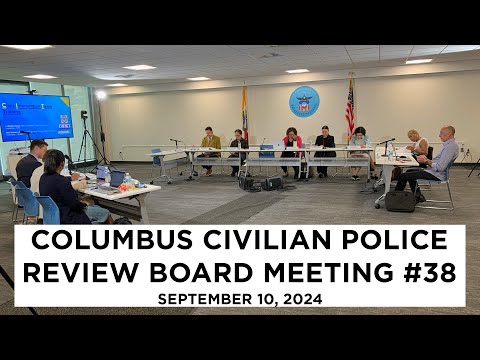
Civilian board hears DIG quarterly: 489 complaints in Q2, most closed at intake; 33 allegations sustained in investigations
Summary
The Department of Inspector General reported 489 complaints in Q2 2024, with 439 closed at intake and 73 opened into investigations; the board accepted DIG recommendations and asked for follow-up on sustained findings and improved public access to case information.
The Civilian Police Review Board (CPRB) reviewed the Department of Inspector Generals quarterly report and accepted its recommendations after a presentation on complaint volumes and investigation outcomes. The DIG reported 489 complaints received in the quarter, 439 closed at intake (often referred to other agencies or closed for insufficient information), and 73 opened into investigations. DIG staff said the office completed 69 investigations in the quarter covering 165 allegations and found 33 allegations sustained.
"We had 489 complaints received from citizens in Q2 of 2024," DIG presenter Nate told the board, adding that 439 were closed at intake and 73 were opened into investigations. He said the numbers reflect overlaps across reporting periods because investigations can stretch beyond a single quarter. "There are footnotes, which I'd like to draw your attention to," he said, noting that intake-versus-investigation timing explains why daily counts may not sum intuitively.
The board also heard that the Civilian Police Review Board (CPRB) and the CPD chain of command overwhelmingly agreed with DIG findings: the CPRB agreement rate was about 99.5% and the CPD chain of command agreed about 97% of the time on investigatory conclusions. DIG staff cautioned that sustained investigative findings often appear later because those cases take longer to complete.
Board members asked for clearer reporting when datasets cross quarters. A member asked why summary percentages did not appear intuitive; DIG staff replied the dataset ties allegations to when investigations were opened or completed and pointed to footnotes in the packet that identify cases originating in prior quarters.
During case review, the board accepted the DIGs recommended dispositions across the cases read into the record and approved a separate motion accepting a DIG-initiated sustained allegation in case 0492 that officers failed to complete a required taser/firearm display form. "We accept the recommendation of the Department of Inspector General, and request a follow-up for case number 0492 as it relates to the recommendation," the motion noted.
Board members pressed for better public access to case materials. One member urged creation of a public database so stakeholders could follow cases in real time; the motion to accept the DIGs findings was carried by voice vote and the board asked staff to explore transparency options and follow-up reporting.
The board agreed to hold additional time at future meetings to examine components of the quarterly update, including CPDs response to a recent Department of Justice critical response review and any implications for DIG or board practice. The board also discussed statutory reporting obligations under Columbus city code 235.03 and directed staff to prepare an annual report for city council. The board adjourned after confirming the next steps on follow-up and policy topics.