Get Full Government Meeting Transcripts, Videos, & Alerts Forever!
Get email alerts on the Hotel Regulations T 24 02 topic
No spam. Unsubscribe anytime.
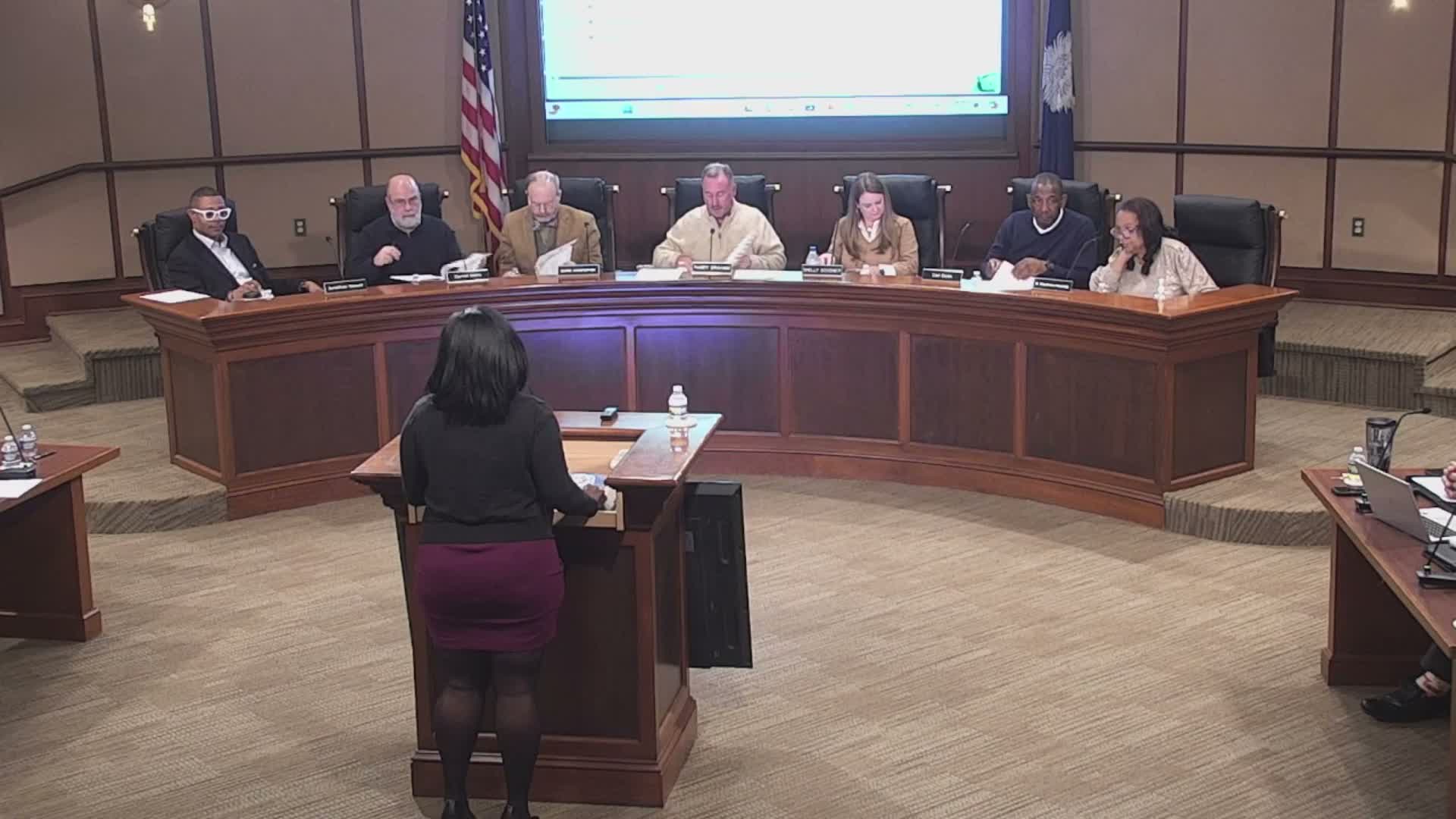
Planning commission declines to endorse Rock Hill hotel/camping ordinance changes amid enforcement, equity and business concerns
Summary
City staff recommended limits on long hotel stays and new rules for hotels, campgrounds and storage; commissioners and dozens of hotel owners, service providers and residents raised enforcement, privacy, legal and homelessness‑response concerns, and the commission voted not to approve the proposed amendments as written.
Rock Hill planning commissioners voted Wednesday not to recommend approval of proposed zoning amendments that would restrict long‑term stays in hotels, limit camping and bar residential use of self‑storage units, citing insufficient stakeholder input and questions about enforcement and social impacts.
Neighborhood Services staff framed the proposal (petition T‑24‑02) as a public‑safety and housing stability measure intended to prevent commercial land uses from becoming de‑facto long‑term housing. The staff presentation said the city has about 30 licensed hotels and that staff observed repeated service calls, drug overdoses and loitering tied to long‑stay uses in some properties. "The proposed regulations are primarily focused on hotels because we have experienced negative impacts from people who are living in some of our hotels related to calls for service, drug overdoses, other types of criminal activity…," staff said.
Key proposed measures included a rolling 30‑day cap on guest stays with limited exceptions (including up to 90 nights for a homeless person actively enrolled in a rehousing program), a prohibition on local residents staying in exterior‑door motel rooms, expanded guest‑registry information available to the city upon request, the ability for the city to conduct compliance inspections, required security/camera reviews for new hotels, and possible penalties including fines or, in extreme cases, condemnation.
More than a dozen hotel owners testified in opposition, saying the 30‑day cap would harm businesses that host long‑term contractors and corporate guests, reduce tourism and tax revenue, and raise privacy and legal issues if guest data are shared widely. "If this ordinance comes in effect, then it will be a significant… it will affect our financial stability and also personal, from personal side, we might lose our business," said Malay Patel, a Rock Hill hotel operator. Owners asked for more data tying specific incidents to long‑term stays, asked whether guests who book through third‑party platforms would trigger cancellations and who would cover cancellation costs, and warned the rules could shift problems elsewhere rather than solve them.
Service providers urged caution. Melissa Carlisle of the Catawba Area Coalition for the Homeless said providers were worried the ordinance could increase unsheltered homelessness because there are not enough shelter beds or affordable units to absorb displaced residents. "They are concerned about how this might impact the clients that we work to serve, that it might increase unsheltered homelessness," she said.
Commissioners’ discussion focused on process and tradeoffs: several said the draft is sweeping and could unfairly penalize low‑income residents or local families who temporarily need a room; others questioned the city’s capacity to track stays across multiple hotels and the operational burden on staff. Several commissioners said they wanted more time for workshops with hotel owners and social‑service providers and recommended seeking alternatives that balance business viability with public‑safety goals.
After public comment and discussion, a motion to approve the ordinance amendments as written failed; the commission voted to forward its concerns to city council. City council is scheduled to take up the petition on Jan. 27, and staff said they will pass along the commission’s recommendation and the record of stakeholder concerns.