
Neighbors press KB Homes on traffic and drainage as developer seeks approval for 63‑lot Seffner subdivision
Get AI-powered insights, summaries, and transcripts
Subscribe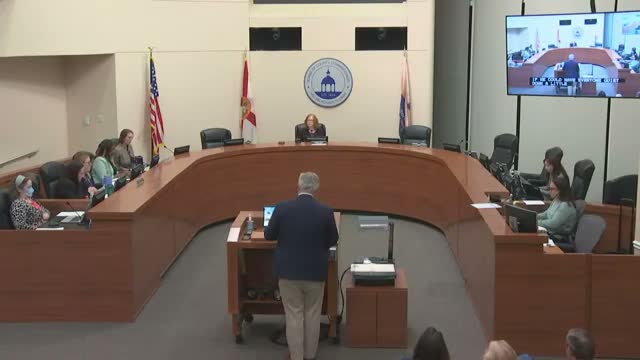
Summary
KB Homes proposed a 63‑home planned development in Seffner and agreed to additional fencing and a gated emergency/pedestrian stub to Taylor Road; dozens of neighbors spoke in opposition, citing traffic congestion on Parsons/Taylor roads and chronic flooding concerns.
KB Homes presented a plan development application (PD‑24‑1261) to build up to 63 single‑family homes on approximately 18 acres in Seffner. Developer counsel Clayton Bricklemyer described concessions made after neighbor outreach, including a 6‑foot perimeter fence along several boundaries and a gated emergency/pedestrian access to Taylor Road rather than an unrestricted vehicular connection.
Transportation and drainage experts testified that the proposed access configuration meets the county’s traffic standards and that the site’s stormwater design will comply with the county’s Drainage and Roadway Performance Manual and land development code. Transportation consultant Michael Yates said driveway operations would be acceptable and Richard Perez of the county’s transportation section confirmed a required cross‑access stub to the south is a code requirement to accommodate future subdivision connectivity.
Dozens of residents testified in opposition. Speakers cited heavy daily congestion on Parsons Avenue and Old Hillsborough Avenue, historic flooding on Taylor Road and nearby yards, and concern that increased density would worsen drainage and parking pressure. Several residents asked that no vehicular access be allowed to Taylor Road and requested more buffering and an opaque privacy fence rather than open PVC fencing around the retention pond. One resident argued the subdivision pattern would not match existing one‑acre lots nearby and urged transitional lot sizing and earlier developer outreach.
Developer counsel offered rebuttal and reiterated that stormwater and subdivision review would require technical permitting that may address conveyance and downstream improvements. The developer added the fence and screening concessions to the plan and said emergency access would be gated with Knox‑box control. The hearing master closed the case; any subdivision approvals and engineering permits will proceed through subsequent county subdivision and stormwater reviews if the rezoning is approved.