Get Full Government Meeting Transcripts, Videos, & Alerts Forever!
Get email alerts on the Rental Inspections topic
No spam. Unsubscribe anytime.
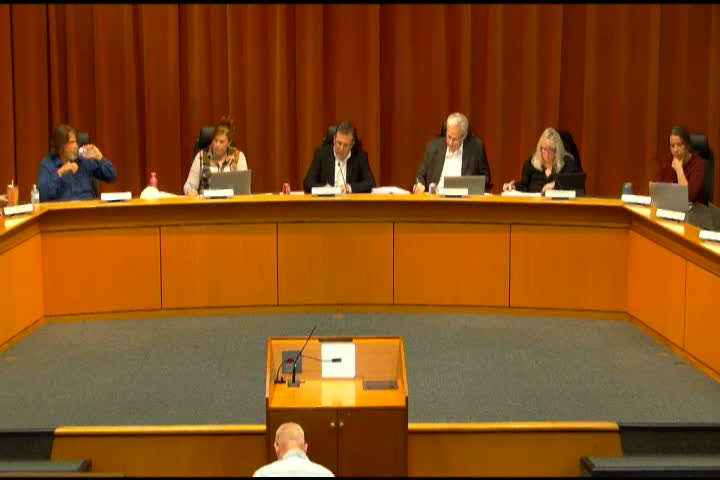
Taylor council discusses expanded rental inspection program; plan to bring staffing and fees back for approval
Summary
City leaders presented a proposal to expand rental inspections across Taylor, including creation of an initial three-person team and a proposed $250 inspection fee on a three‑year cycle; council asked for more data and a formal budget amendment before taking action.
Mayor Woolley and city staff outlined a proposed rental inspection program intended to identify and inspect non‑homestead rental properties across Taylor and to hold landlords accountable for property maintenance. The mayor said the goal is to “get more people out in the city” to address rental homes that aren’t up to code and to improve the city’s data on rental property locations.
City staff said the program would be administered from the building department and proposed creating an initial team—a supervisor, a clerk and a rental inspector—added through a forthcoming budget amendment. Staff described a three‑year inspection cycle and discussed a fee model; the presentation noted a prevailing figure of $250 per inspection on a three‑year cycle. Staff and council cited past inspection activity (the presentation referenced roughly 1,200 inspections over three years) and the assessor’s non‑homestead records as tools for identifying rental units, though staff also cautioned that existing data are imperfect.
Council members pressed staff on operational and enforcement details. Councilwoman Brand asked whether owners must register rentals with the city; staff responded that technically owners are expected to declare a non‑homestead property as a rental with the building department but that compliance has been inconsistent. Staff indicated a registration fee currently exists (a figure of $50 was cited in the discussion) and explained inspections are every three years. Enforcement mechanisms discussed included identifying properties through utility usage and coordinating with service providers when owners or tenants will not allow access.
Mayor Woolley said the administration will return to the council in the coming weeks with a formal plan, more accurate counts of rental properties, cost estimates and a proposed budget amendment. He framed the program as a phased approach—"baby steps"—with the possibility of adding more inspectors if the program shows results.
The council's action on this agenda item was to receive and file the discussion; no ordinance or final funding decision was made at this meeting. Council members asked for clearer, verified counts of rental units, a detailed budget impact statement, and legal guidance on registration and enforcement before any final vote.
Ending: City staff will prepare and present a detailed proposal and budget amendment for the rental inspection program at a future meeting, including clarified counts of rental properties, proposed fees and enforcement procedures.