Get Full Government Meeting Transcripts, Videos, & Alerts Forever!
Get email alerts on the Educator Pipeline topic
No spam. Unsubscribe anytime.
Georgia subcommittee hears statewide strategies to expand educator pipeline
Summary
A joint subcommittee heard presentations from state agencies, universities and districts outlining low pay and credential gaps in early learning, multiple certification pathways, 'grow your own' programs, and a new registered teacher apprenticeship model backed by federal grants to recruit and retain teachers across urban and rural Georgia.
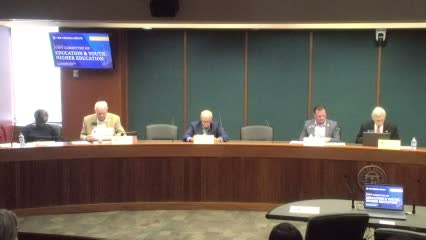
Lawmakers and education officials at a joint subcommittee meeting on the Georgia educator pipeline heard detailed proposals Wednesday aimed at increasing teacher recruitment and retention statewide.
The session opened with the committee chair noting the urgency of staffing classrooms and with an invocation by Senator Burns. Presentations from the Department of Early Care and Learning (DECAL), the Governor’s Office of Student Achievement (GOSA), the Professional Standards Commission (PSC), universities and local school systems outlined the scale of the problem and concrete interventions.
Why it matters: DECAL, which licenses child-care and Pre-K programs, estimated that Georgia's early care and education workforce totals about 70,000 people and that childcare professionals earn a mean annual wage near $27,000, leaving many programs unable to offer benefits or competitive pay. ‘‘We know 90% of a child's brain is developed by the time he or she turns 5,’’ DECAL Commissioner Amy Jacobs told the committee while linking workforce quality to student outcomes.
Major proposals and programs: Presenters described multiple, complementary strategies already in use or planned: scholarship and wage-support programs (DECAL Scholars and PowerEd supplements), district-run 'grow your own' pathways that pair career academies with articulation agreements to regional colleges, robust paraprofessional-to-teacher cohorts, expanded residency and paid residency models in larger districts, and a newly registered teacher apprenticeship program coordinated by the GaDOE to tap Department of Labor workforce funding.
Certification and flexibility: The Professional Standards Commission outlined six certification routes — traditional, reciprocity, provisional, permit, waiver and strategic/charter waiver — and reported issuing more than 49,000 teaching certificates since July. PSC staff emphasized recent changes, including a mandatory ethics assessment for certificants, while acknowledging districts’ calls for additional flexibility to bring experienced second-career candidates into classrooms.
Rural focus and apprenticeships: The Office of Rural Education Innovation described a Department of Labor-sponsored Georgia Registered Teacher Apprenticeship and an Apprenticeship Building America grant of $4 million to scale tuition-free, paid apprenticeships in rural districts. Apprenticeships, officials said, can braid workforce funds (including WIOA) and provide ‘‘earn as you learn’’ mentorships that keep talent local.
Funding needs and next steps: Multiple presenters asked the legislature for targeted funding — small weekly stipends to defray student-teaching costs, mentor-teacher stipends, and resources to scale district-run certification programs. PSC and higher-education partners said financial barriers (tuition and unpaid student teaching) are primary obstacles to expanding the pipeline.
The hearing closed with committee members asking presenters for fiscal notes and implementation plans; no formal votes or legislative actions were taken at this meeting.