Get Full Government Meeting Transcripts, Videos, & Alerts Forever!
Get email alerts on the Historic Preservation topic
No spam. Unsubscribe anytime.
Consultants present historic preservation plan, urge surveys and program management
Summary
Lakota Group consultant Josh Bloom presented a year-long historic preservation plan to council calling for surveys, storytelling of diverse histories, clearer protections and new staff capacity to manage preservation programs.
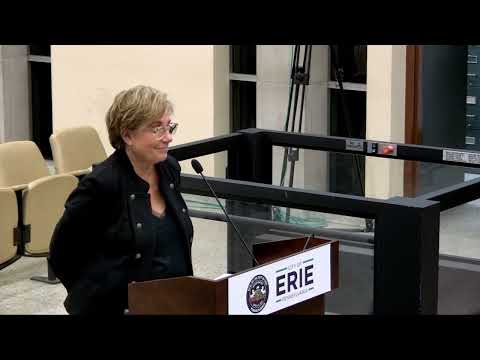
Josh Bloom of the Lakota Group told council the historic preservation plan presents a vision for using preservation as an economic development tool that also recognizes Erie's diverse immigrant and industrial heritage.
"This preservation plan really sets out a vision for the city that embraces preservation as an economic development tool and as, really setting a compelling future vision of the future of the city," Bloom said. He said the plan reviewed six National Register districts, 24 National Register-listed buildings and a wide range of resources from buildings and archaeological sites to intangible cultural history.
Bloom listed recommended themes and goals: identifying the city—s historic and cultural heritage through survey work; telling Erie's diverse stories; protecting and conserving places through clear policies; investing in historic residential and commercial assets; providing programs to support preservation; and managing those programs effectively. He noted the city has already hired a historic preservation planner and that further survey and documentation will continue with the Pennsylvania State Historic Preservation Office (SHPO) and other partners.
Bloom said council's formal adoption of the plan had been rescheduled for a future meeting and offered to send the presentation slides to the clerk's office for distribution.
Council asked for copies of the slides and expressed appreciation for the work; no formal action on the plan occurred at the meeting beyond the briefing.
The plan's next steps, as described by Bloom, include continued survey work, staff training, community engagement to broaden participation, and coordination with SHPO to document resources and refine policy recommendations.