
Speakers at University of Michigan regents meeting urge protection of DEI programs; opponents call for cuts
Get AI-powered insights, summaries, and transcripts
Subscribe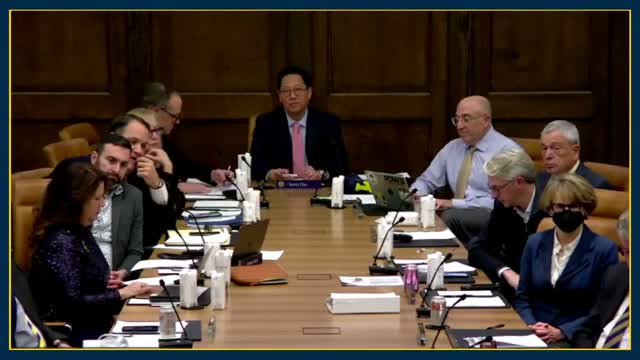
Summary
During public comment, faculty, students and staff debated the future of DEI at the university: several speakers urged regents not to cut DEI programs while others called DEI discriminatory and urged its removal; the board publicly said there are no plans to cut core programs named by speakers.
A sustained public‑comment segment at the University of Michigan Board of Regents meeting captured sharply divergent views on diversity, equity and inclusion work on campus.
Dr. Melissa Borja, associate professor in American Culture, opened the public‑comment block by summarizing data she said demonstrate DEI’s positive effects: higher representation for Black, Hispanic and first‑generation students and expanded Pell Grant recipients since 2016. She told the board that DEI programs “break down barriers before college” through outreach efforts such as Wolverine Pathways and Summer Bridge and warned that cuts to DEI funding would scale back programs that “have made our community more diverse.”
Several other speakers echoed calls to preserve DEI programs and urged the board to publicly commit to them. Angelica Priviero, president of Rackham Student Government, urged regents to protect the broader ecosystem of DEI supports that she said undergird gains in diversity and student success.
Other speakers directly criticized DEI. Keith Bridal, a physics professor, argued that some programs now labeled DEI are “corrosive” and asserted legal exposure for the university, calling out fellowship programs he described as discriminatory. Bridal said the university’s DEI administrative costs—figures he attributed to university spending—make the institution vulnerable to litigation.
During the public comments, individual regents responded from the dais. Regent Beam and others emphasized that they had “no intention” of cutting the particular student and outreach programs named by speakers and said some regents planned to expand access to Wolverine Pathways in regions such as Flint and Saginaw.
Other public‑comment topics included calls for a Disability Cultural Center, reports on Jewish student community activities and safety, and a plea from Allied Professionals of Michigan (represented by Kimberly Belisario Petrovich) urging the board to help secure a fair contract and pay for Michigan Medicine allied workers.
The board did not take policy action on DEI during the meeting; regents reiterated that questions or concerns should proceed through the university’s governance processes. Comments by both critics and defenders were recorded in the public‑comment period and reflect active controversy among faculty, students and staff.