Get Full Government Meeting Transcripts, Videos, & Alerts Forever!
Get email alerts on the Liquor Control topic
No spam. Unsubscribe anytime.
Committee passes amendment to lower proposed retailer discount increase; debate addresses fiscal tradeoffs
Summary
Lawmakers and retailers debated raising the retailer discount from about 17% toward higher percentages; Representative Aragona’s amendment to set a 23% discount passed in committee after testimony from retailers, chambers and MLCC officials about fiscal impacts.
House Bills 4757 and 4758 seek to amend the Michigan Liquor Control Code to increase the discount retailers may take when purchasing from the state, a change sponsors and small‑retailer witnesses argued would help independent liquor stores compete with large chains.
Retail representatives told the committee that their profit margins have not kept up with inflation and rising operating costs. Jerry Griffin of the Midwest Independent Retailers Association urged relief for family‑owned retailers: ‘‘We would absolutely support the idea of moving that number,’’ he said, while cautioning against changes that could eliminate the three‑tier system.
State Liquor Control Commission witnesses warned of large reductions to revenue that are currently transferred to the general fund. David Martin (MLCC) said the introduced concept could reduce contributions back to the state by substantial amounts, and Carrie Kron, MLCC business manager, said the proposed increase at the introduced level could nearly wipe out the commission’s contribution to the state.
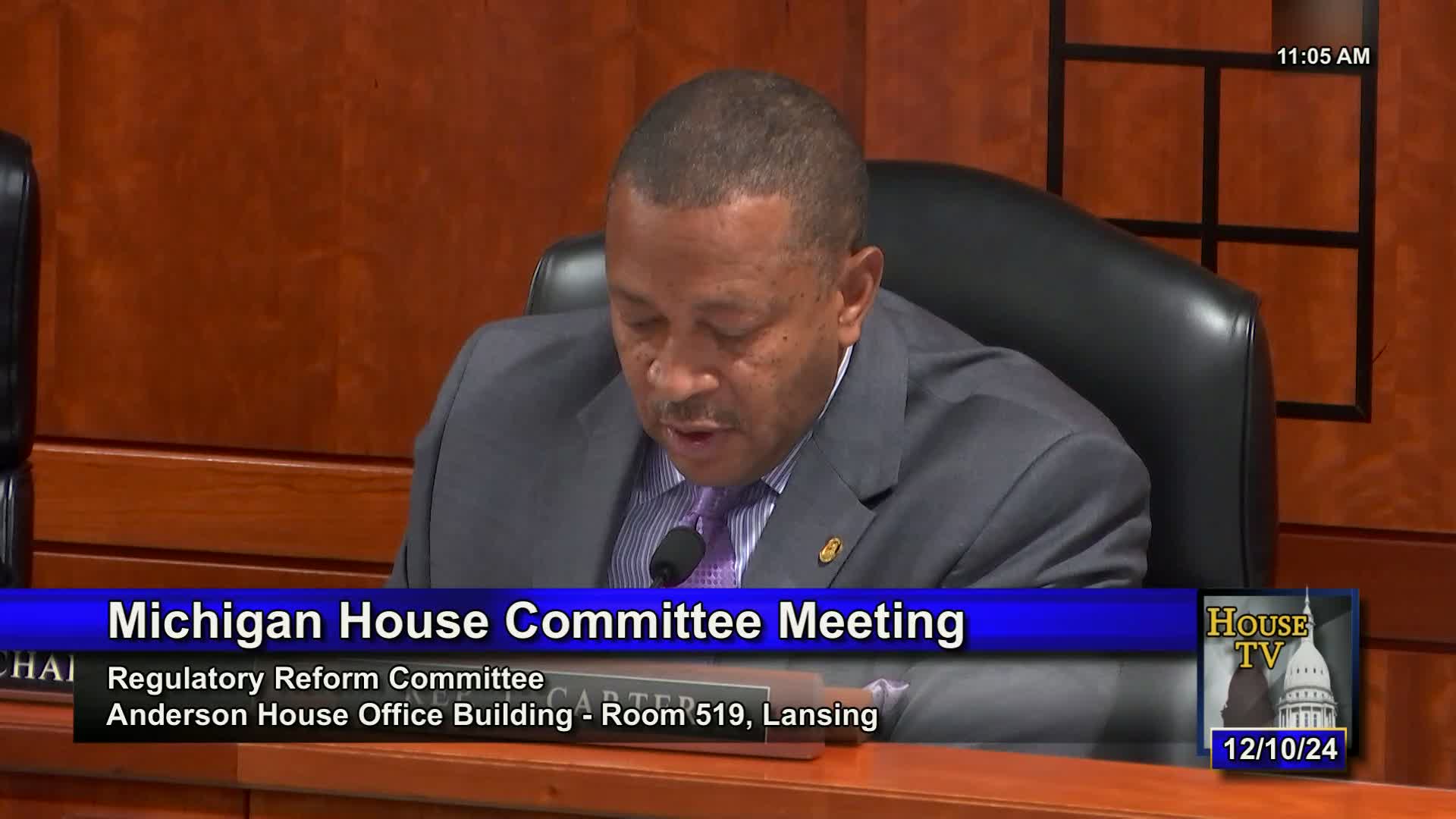
Representative Aragona offered an amendment to lower an introduced 35% discount to 23% as a compromise; the amendment passed on a roll call recorded by the clerk. The committee recorded the amendment's passage and continued consideration of the bills.
Next steps: the amendment has been adopted in committee; the underlying bills remain under committee consideration and may be reported later.