Get Full Government Meeting Transcripts, Videos, & Alerts Forever!
Get email alerts on the Pediatric Extended Care topic
No spam. Unsubscribe anytime.
Committee advances bills to license pediatric prescribed extended care and authorize Medicaid payment
Summary
The committee advanced a three‑bill package to license pediatric prescribed extended care (PPEC) facilities and set commercial and Medicaid payment frameworks. Witnesses — PPEC operators, hospital clinicians, and a parent — said PPECs provide medically supervised day services that can reduce hospital stays and caregiver burdens.
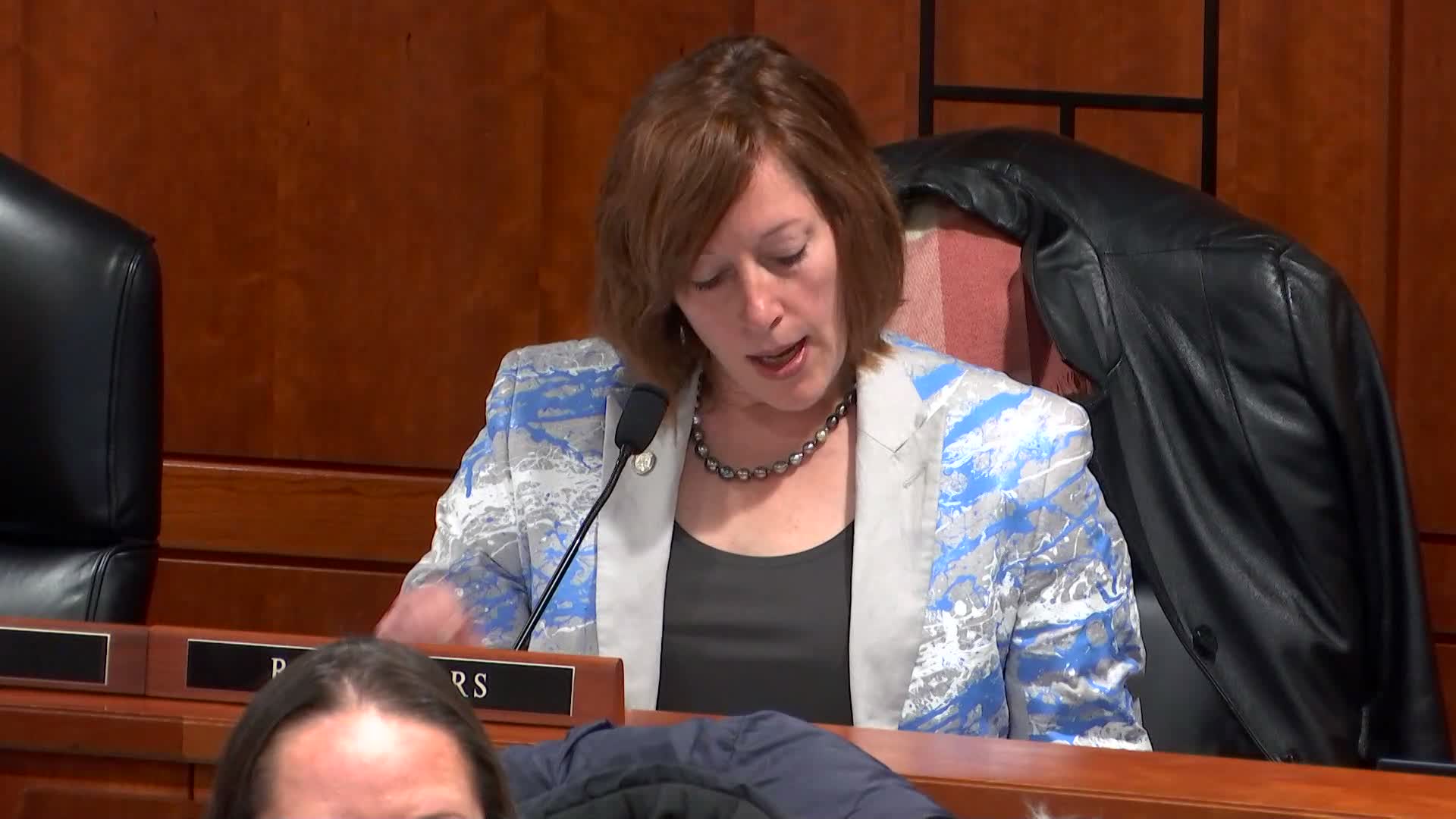
The House Health Policy Committee reported a package of bills (HB 5974, HB 6152, HB 6153) to license prescribed pediatric extended care (PPEC) facilities and to establish payment frameworks so eligible families can access day‑health services for medically complex children. Chair Rogers described PPECs as a nonresidential, medical day‑care model with multidisciplinary staff, typically a nursing director and medical director, and a typical staffing ratio described in testimony as about 3 children to 1 health professional.
Chair Rogers and witnesses said PPECs are active in other states and that the bills would create licensure standards and a Medicaid payment pathway so families covered by Medicaid could use these services. Representative Rogers noted a federal medical assistance percentage (FMAP) cited in testimony of about 65.13% for the 2024–25 year as the matched share for Medicaid in the state fiscal context.
Nick Miller, legislative aide to Rep. Vanderwall, urged committee support to ensure Medicaid covers PPECs so families have access. Dr. Jody Rogers, director of an existing PPEC in Louisville, described facilities where children participate in therapies, receive medical care, and engage socially, and she said PPECs reduce emergency visits and hospitalizations in jurisdictions where they operate. Anne Marie Ramsey of C.S. Mott Children’s Hospital said Michigan hospitals have formed a coalition to study multi‑dimensional solutions and support PPECs as one element to address shortages in private duty nursing and other community supports.
A parent, Tamara Plattner, described daily life caring for a medically fragile 17‑year‑old who needs continuous airway monitoring and said that PPECs would offer a medically supervised alternative to private duty nursing or hospital care during daytime hours.
Committee members asked about whether PPECs are day‑only (they are) and whether Michigan already has such facilities (witnesses said none fully meeting the PPEC licensing model exist in Michigan; a similar facility was noted in Ypsilanti). Representative Conlon, Representative Fitzgerald, and Representative Roth separately moved to report HB 5974, HB 6152, and HB 6153; clerks recorded the votes and announced each motion prevailed (recorded tallies varied but were announced as passing). The committee did not adopt amendments on the floor of this session.
What’s next: Each bill in the package was reported out of committee; further steps include coordination with DHHS on Medicaid payment rules and licensing rulemaking if enacted.