Get Full Government Meeting Transcripts, Videos, & Alerts Forever!
Get email alerts on the Elder Protection topic
No spam. Unsubscribe anytime.
Committee advances package to expand protections for older and vulnerable adults including new PPOs and MDTs
Summary
The Families, Children, and Seniors Committee heard bipartisan testimony and voted to report Senate Bills 922–925, which would create an elder/vulnerable‑adult personal protection order, extend recovery and statute‑of‑limitations rules for embezzlement, and allow multidisciplinary teams to address abuse and exploitation.
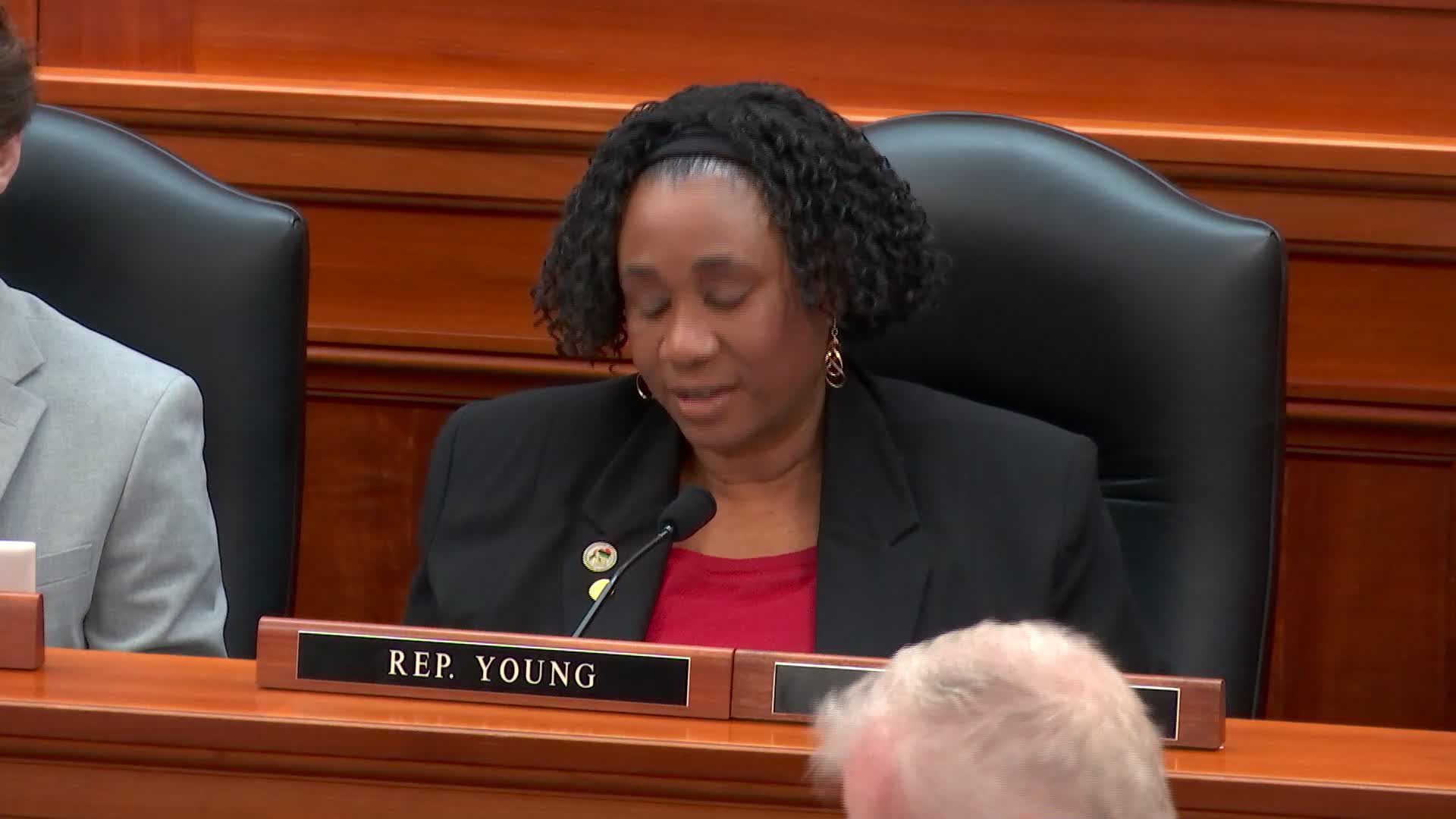
Chair Young introduced a package of Senate bills (SB 922–925) described as expanding legal protections for older and vulnerable adults. Renee Wilson, legislative director for Senator Kleinfeld, said SB 922 would allow individuals who are 60 or older, vulnerable adults, or persons with developmental disabilities to petition the court for an elder and vulnerable‑adult personal protection order (PPO). SB 923 would add embezzlement of a vulnerable adult as a predicate offense for racketeering and extend the statute of limitations to 10 years; SB 924 would allow recovery and liability to continue after the vulnerable adult’s death in certain continuing schemes; SB 925 would authorize counties or regions to create vulnerable‑adult multidisciplinary teams (MDTs) for coordinated prevention, investigation and prosecution.
Area‑agency and legal services witnesses supported the package. Stephanie Hall of AgeWays described demographic trends and a 73,000‑person estimate of older adults who are elder‑abuse victims in Michigan, and said MDTs and tailored PPOs would fill gaps in existing remedies. Emily Miller of the Crime Victims Legal Assistance Project and Megan Reynolds of the Michigan Poverty Law Program explained why existing domestic‑violence PPO statutes do not address the common harms in these cases (financial exploitation, neglect, prolonged coercion) and described the functional need for an ex‑parte option to prevent immediate retaliation. Reynolds also explained technical choices for assigning the new PPO type to the family division clerk to reduce procedural barriers for unrepresented petitioners.
Committee members asked about statutory categories (elder vs. vulnerable adult), ex‑parte standards and judicial oversight, and how the bills would operate alongside probate and guardianship processes. Emily Miller emphasized petitioners are not required to file and that ex‑parte relief allows immediate protection when necessary; Megan Reynolds described the family‑division assignment as a consistency measure under the Revised Judicature Act of 1961.
The committee read multiple supporting cards into the record and then moved to report each Senate bill with a recommendation; roll‑call votes were recorded and the clerk announced the motions prevailed for SB 922, SB 923, SB 924 and SB 925. Committee members and advocates asked for follow‑up engagement on victim concerns and technical fixes.
The bills were reported out of committee with recommendation; the next steps are action on the House floor and any subsequent conference actions between chambers.