Get Full Government Meeting Transcripts, Videos, & Alerts Forever!
Get email alerts on the Foia Expansion topic
No spam. Unsubscribe anytime.
Committee advances bills to bring Legislature and governor's office under FOIA
Summary
Senate bills 669 and 670, which would extend the state Freedom of Information Act to the legislature and the governor's office with specified exemptions and a 30-day cooling-off period, were presented, supported by the ACLU and others, and reported from committee with recommendation.
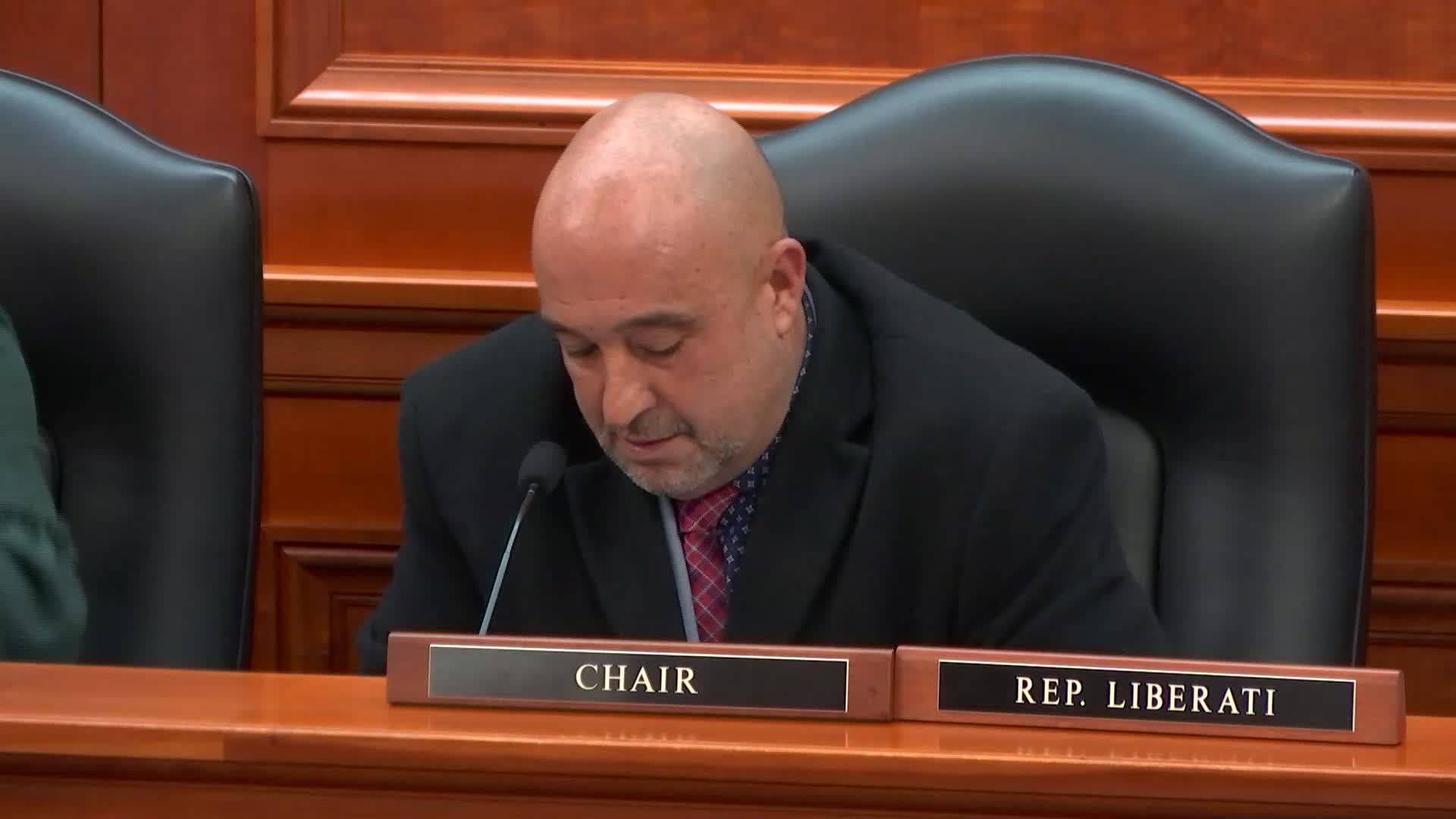
Senate bills 669 and 670 to extend Michigan's Freedom of Information Act to the legislature and the governor's office were discussed at length and moved out of the House Government Operations Committee with recommendation.
Senator Moss described the bills as the culmination of years of work to bring legislative and executive offices into FOIA's scope so residents can "better understand the inner workings" of state government. Senator McBroom summarized technical safeguards in the bills, saying the proposals preserve speech-and-debate protections and include a new FOIA office in each chamber with a staffed FOIA coordinator to handle requests rather than individual legislative staff.
Sponsors emphasized a 30-day cooling-off period before certain records are treated as public to reduce what they called the weaponization of records requests. They also described exemptions for security and vetting processes in the governor's office and protections for personal constituent information. Marissa Kovacs of the ACLU of Michigan said the organization strongly supports the bills, arguing Michigan is currently one of two states that exempt both the legislature and governor from FOIA and that change is necessary for public oversight.
After questions about implementation timelines and safety exemptions, the committee voted to report Senate Bill 669 with recommendation, adopted a substitute H-1 for Senate Bill 670, and voted to report SB 670 as substituted. The committee's roll-call votes were recorded and both bills were reported out of committee with recommendation.