Get Full Government Meeting Transcripts, Videos, & Alerts Forever!
Get email alerts on the Budget topic
No spam. Unsubscribe anytime.
Council examines proposed 2025–26 biennial budget; staff to consider long‑term gap and a 2% credit‑card fee
Summary
At a work session, council received a detailed briefing on the proposed 2025–26 biennial budget including revenue and expenditure assumptions, vehicle replacement lists, personnel costs, and a proposed 2% convenience fee on credit/debit card payments to offset processing costs.
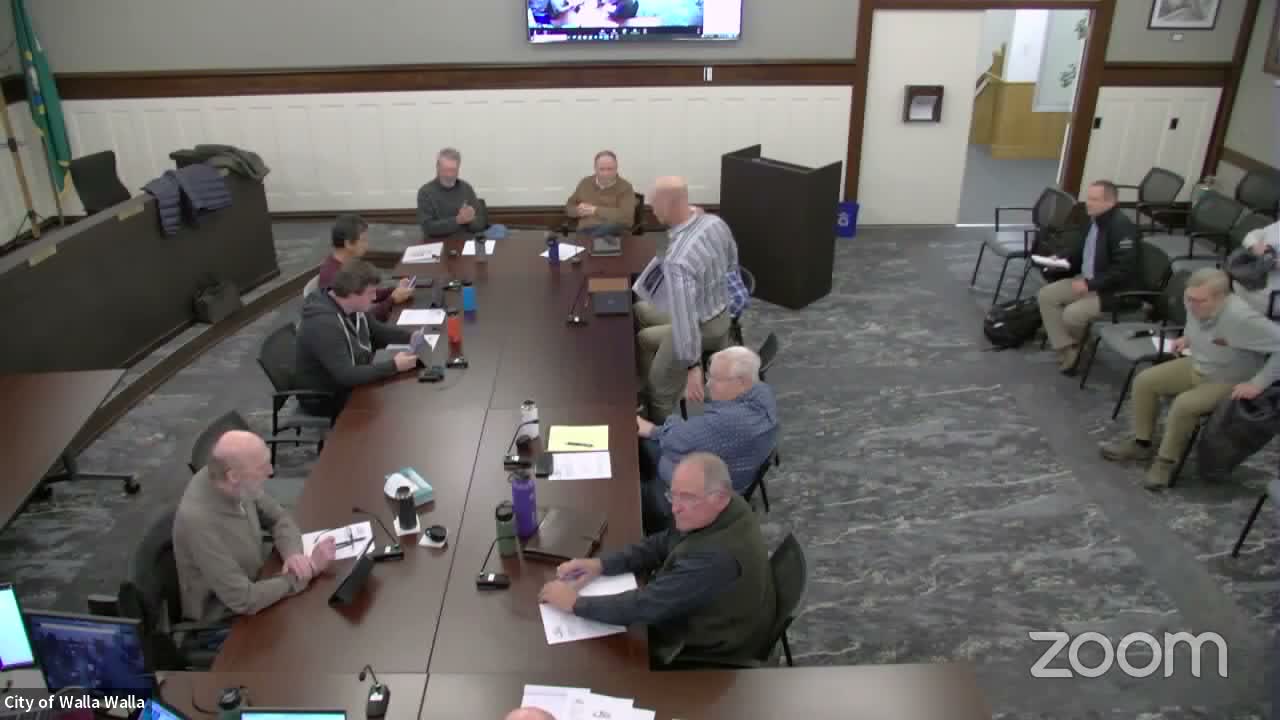
City staff presented the proposed 2025–26 biennial budget to the council in a work session briefing that described revenue assumptions, expenditure changes and several policy items council will consider in the coming weeks.
Budget staff said the process began with an April 2024 retreat and multiple committee reviews; the proposed biennium keeps existing service levels while reflecting the council’s strategic priorities. Key revenue assumptions include 2.5% sales‑tax growth, 1% growth in the property‑tax base plus levy capacity, and an assumption of roughly $50 million in assessed new construction each year. City staff also cited utility assumptions (1.5% growth for city-owned utilities) and specific provider assumptions for energy: Pacific Power projected at 14.9% and Columbia REA at 8% in 2025.
On expenditures, the presentation incorporated negotiated employee-contract increases and benefit cost pressures: staff said salaries and benefits increase roughly 10% across the biennium (about 5% per year), with health‑insurance costs projected at 8% in 2025 and 6% in 2026. Departments were asked to cut operational spending by 2.2% in 2025 and 3.8% in 2026, and staff screened decision packages so only selected items were included in the proposed budget.
The presentation included a list of vehicle replacements proposed for 2025–26 and explained fleet replacement policy and thresholds for returning items costing more than $50,000 to council for separate authorization. Council members asked for additional detail on vehicle mileage, necessity and the potential to defer replacements in response to projected long‑term shortfalls.
Staff proposed a 2% convenience fee on card payments (including debit cards) to begin Dec. 20 when a new payment processor goes live; staff said the fee would be revisited after collecting data for a year and returned to council for adjustment by November 2025. Liz, the budget presenter, said the fee is intended to offset merchant processing costs and that October data under the old processor showed an effective rate near 4.65% on online transactions.
Council members raised several policy issues: how possible Washington Supreme Court changes to indigent‑defense rules could affect costs; the long‑term projection that, without changes, shows a structural decline in the general fund by 2029; and strategies for targeted pay adjustments for hard‑to‑recruit positions versus broad, across‑the‑board increases. Staff said the budget was intentionally structured to use 2025 to analyze options and return mid‑year with revenue/expenditure recommendations.
What happens next: staff will present the budget for public hearing and final vote on Wednesday; the credit‑card fee is scheduled for council consideration Dec. 18, and staff plans to return with a report on the fee’s performance and any proposed adjustments by November 2025.