Get Full Government Meeting Transcripts, Videos, & Alerts Forever!
Get email alerts on the State Budget And Legislative Priorities topic
No spam. Unsubscribe anytime.
Walla Walla meets with state lawmakers to map 2025 priorities as statewide budget pressure looms
Summary
City leaders met with state representatives and their lobbyist to review Walla Walla's 2025 priorities, pressing for transportation maintenance, a housing cost‑driver study, and a revived financial‑education graduation requirement amid warnings of a multi‑billion‑dollar state budget shortfall.
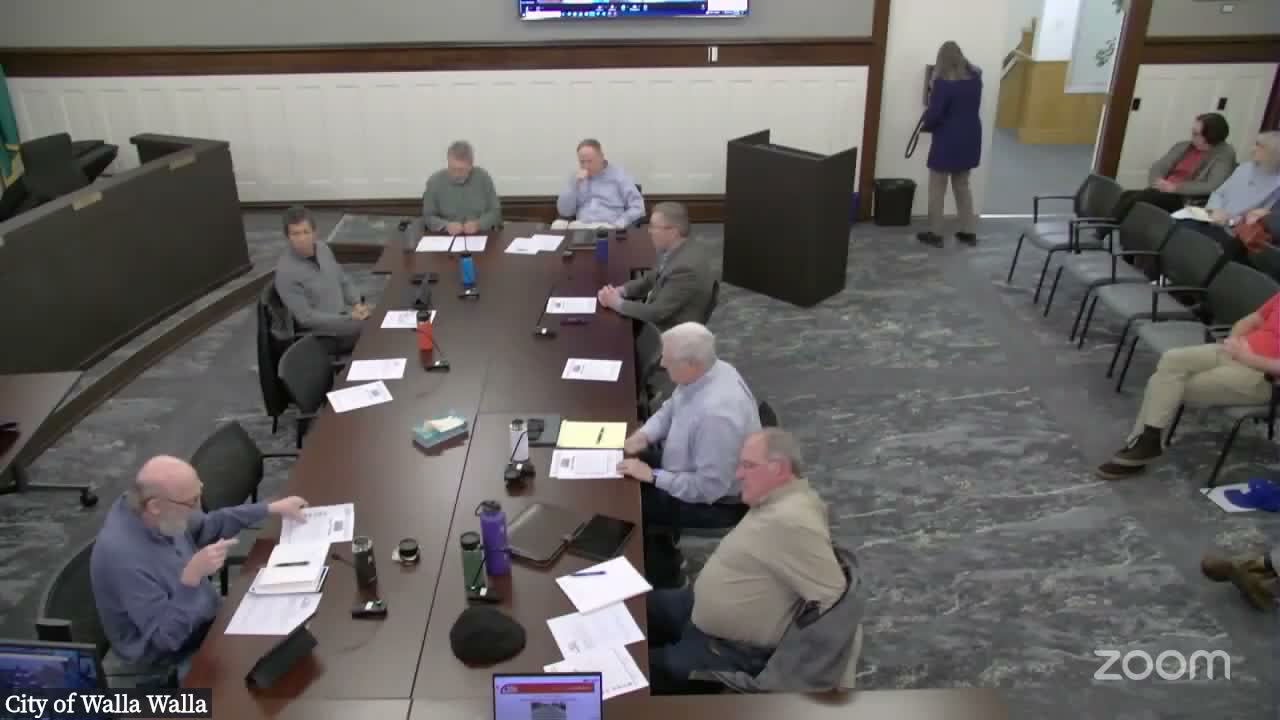
The Walla Walla City Council met with state legislators and the city’s lobbyist on Dec. 16 to review the city’s 2025 legislative priorities, pressing officials for help on transportation funding, housing affordability and rural health‑care stability as the state prepares its budget.
Mara Motcholsky, the city’s state lobbyist, told the council the 2025 session convenes Jan. 13 and will be a long session focused on the state’s biennial budget. She said the November revenue forecast showed a substantial operating shortfall and that the governor had ordered agencies to pause nonessential hiring, contracts and travel while leaders consider options. “We’re here gathering again preparing for the 2025 legislative session beginning January 13th,” Motcholsky said.
Why it matters: Walla Walla’s legislative asks depend on how much the legislature can afford to fund in a tight budget year. Several of the city’s requests — matching funds for a federal transportation grant and capital money for a planned library remodel — hinge on the size and structure of the upcoming budget.
Transportation was a central concern. Council members and staff said motor‑vehicle‑fuel tax revenues have declined and asked representatives how the state will shore up maintenance and small local projects. Motcholsky and Rep. Clicker (house transportation supporters referenced in the meeting) flagged proposals under consideration, including road‑usage charges, and urged the city to watch stakeholder processes. “We have to pick and choose what projects they can muster up to finance,” one legislator said in describing the pressure on transportation appropriations.
Education and workforce issues also came up. Representative Rood and others described a revival of a bill to require financial‑education coursework for high‑school graduation. The measure passed the House previously but stalled in the other chamber; proponents told the council they plan a narrower approach this session that would let the State Board of Education determine crediting to improve the bill’s prospects.
Housing was another major topic. Rep. Clicker described a proposed housing cost‑driver task force bill intended to convene diverse stakeholders — builders, economists, tenants and utilities — to identify the root causes of rising housing costs. He said the task force cleared housing committee but did not advance in appropriations last session because of a fiscal note; he voiced hope the task force could move forward this year. Clicker also mentioned a separate small‑scale commercial use bill (described colloquially as the “cafe bill”) that would ease neighborhood retail and cafe operations.
On rural health care, council members raised local worries about workforce shortages and the region’s sole remaining hospital. Representatives said they had not seen a specific bill yet and invited local hospital leaders to share information so legislators could assess options; they noted that Medicaid reimbursement and nursing‑home payment rates are long‑running state issues that affect rural providers.
Councilmembers pressed legislators on process and timelines. Legislators said committee assignments and appropriations packages will shape which projects survive the session; they also warned that some pots of money are vulnerable to sweeping reductions and that both cuts and new revenue measures are being discussed.
What’s next: Legislators agreed to follow up on committee assignments, to track the city’s capital requests (including the library remodel), and to take the council’s priority list into legislative planning. No formal votes or commitments to specific appropriations were made during the work session.
Attribution: Quotes and attributions in this article come from the session briefing and Q&A with Mara Motcholsky, Representative Clicker and Representative Rood, as recorded in the council’s Dec. 16 work session transcript.
Ending: The city will monitor budget announcements and the committee process as the legislature convenes Jan. 13; staff and legislators said they would return with follow‑up details as bill language and budget figures become available.