Get Full Government Meeting Transcripts, Videos, & Alerts Forever!
Get email alerts on the Community Survey topic
No spam. Unsubscribe anytime.
Loveland survey: residents praise utilities, arts and livability but flag economy and transparency
Summary
City staff and Polco presented the 2024 National Community Survey showing high resident satisfaction with utilities, parks and arts but lower ratings for economic health, affordability and perceived government transparency; staff will post full results and pursue follow‑up engagement.
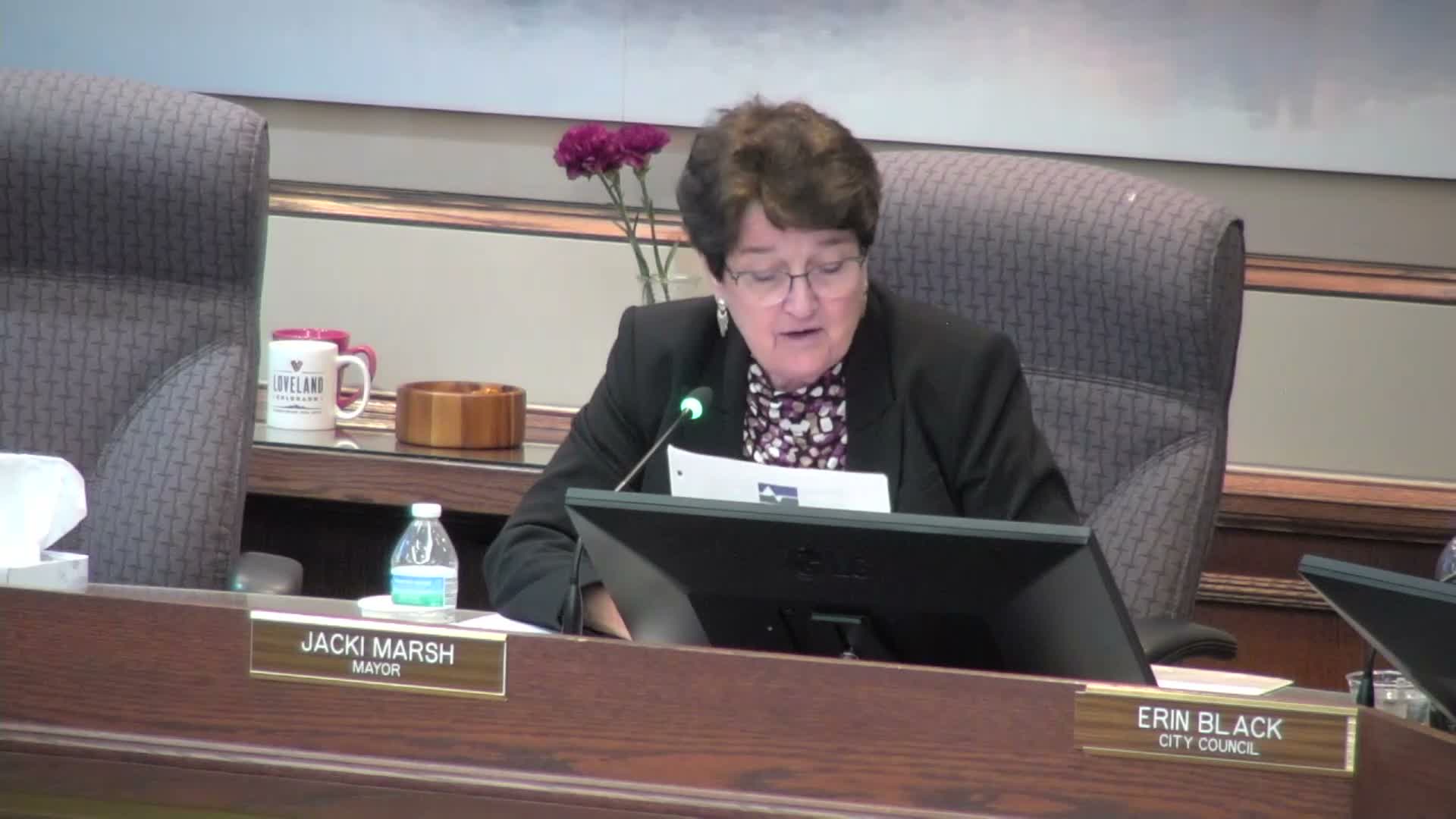
Loveland Mayor Jackie Marsh convened a study session where city staff on Nov. 12 presented results of the 2024 National Community Survey and outlined next steps for using resident feedback in strategic planning.
“Nearly eight in 10 residents celebrated Loveland as a place to live,” said Brandon Barnett of Polco/National Research Center, reporting that many services — drinking water, sewer, stormwater and power — scored at or above national benchmarks while items such as air quality, economic health and K‑12 education rated lower than comparable communities. Barnett told the council the survey asked residents to rate both the quality of services and their importance to the community and that the city can use that quality‑importance matrix to prioritize work.
Nicole Yost, the city’s communications and engagement director, said staff will post the full survey report to the city website and share findings in the December city update, and she urged council to treat the results as a starting point for further engagement. “Now that we have this data and this information, it’s time for us to decide how we are gonna look at this information, where we need to investigate a little bit deeper,” Yost said.
Methodology and counts Polco described a mixed approach: a probability mail survey and an open participation online survey. The company said it mailed questionnaires to a random sample of 4,000 Loveland addresses and initially reported 622 completed surveys (a 16% response rate) producing a margin of error of ±4 percentage points; the final random‑sample count cited in staff materials was 612 responses and an additional open participation survey returned roughly 914 responses that are reported separately. Barnett emphasized that the report and weighting are based on the probability sample (the random mail survey) and that the total number of completed responses governs statistical precision more than the raw response rate.
Councilors pressed staff on representativeness and possible skew. “Eighty‑five percent of the people said they voted. In our last election, less than 50% of the people that are eligible voted,” Councilor Olsen said, suggesting the sample may overrepresent older or more engaged residents. Barnett replied that 12–16% response rates are typical today and that the sample was weighted to match Census and ACS demographics; he said the randomly sampled results meet industry standards for a ±4 percentage‑point margin of error.
Cost and usage Yost said the city’s contract (survey plus Polco platform access) runs about $26,000 over two years. She and staff said the information will be used to guide strategic planning, performance measurement and targeted community engagement in 2025–26; immediate staff actions already are underway to address items that repeatedly appear in resident comments.
Why the results matter Polco’s report highlights tensions useful for policy and messaging: high satisfaction with essential services and quality of life coexists with worry about affordability and the local economy. Respondents prioritized addressing homelessness and access to behavioral health and substance‑use services. Several councilors said the report should trigger more proactive communication so residents better understand tradeoffs inherent in public decisions.
What comes next Staff said they will post the complete survey report and the open‑participation results on the city website, present follow‑up engagement options to council and return with recommended outreach and policy steps tied to the survey findings. The council and public will be able to review the full data set and request more granular follow‑up in areas where the city needs deeper understanding.
(Reporting is based on the Nov. 12 Loveland City Council study session presentation by Polco/NRC and city staff.)