Get Full Government Meeting Transcripts, Videos, & Alerts Forever!
Get email alerts on the Social Services Staffing topic
No spam. Unsubscribe anytime.
Cayuga County committee approves caseworker hires after tense debate over high caseloads and costs
Summary
The Cayuga County Health & Human Services committee approved bundled resolutions to fill key social‑services caseworker positions after extended debate about high caseloads, travel for out‑of‑county foster placements and fiscal constraints. Department leaders said average child‑protective caseloads range about 25–35, above a cited best practice of 15.
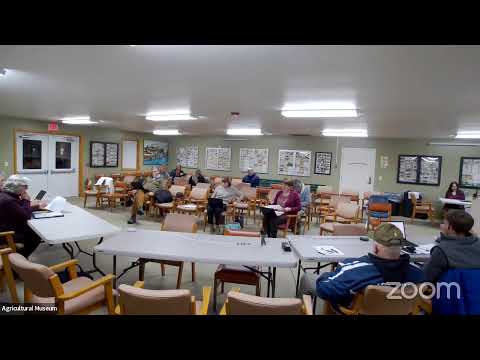
The Cayuga County Health & Human Services Committee voted Dec. 3 to approve bundled resolutions allowing the county to fill several caseworker positions after a prolonged discussion about workload, funding and service continuity.
The department reported it has 25 caseworker positions across preventive services, foster care, child protective services and adult protective services, with five current vacancies and a possible seven vacancies by mid‑December. "Right now we have workers with 22, 25, 34, 34, 21 and 35 cases," the department director said during the meeting, adding the average caseload is roughly 25 per worker. Committee members contrasted that with a referenced best practice of about 15 cases per worker.
Legislators pressed the department on whether the vacancies are funded and on the county’s exposure when children are placed in higher‑cost residential facilities outside the county. One lawmaker asked whether the county receives extra state reimbursement when caseworkers must travel long distances for out‑of‑county or out‑of‑state visits; the department director said there is not typically extra travel reimbursement and that the costs of placements and facility fees are often the larger drivers of over‑budget expenses.
The department urged continual recruitment and noted that in May the workforce was fully staffed; sustained turnover and the recent building crisis have made operations more difficult. The director said some caseworkers are doing visits after hours and on weekends and noted the department is using transportation aid and other targeted supports where possible.
Supporters of the hires argued that not filling mandated and frontline positions could delay permanency for children and increase long‑term county costs. Critics said the legislature must balance staffing needs against an uncertain budget and requested clearer labeling on resolutions as to which positions are legally mandated.
After discussion, the committee voted to approve the bundled motions (HH3, HH4) granting permission to fill the specified caseworker positions. The chair said members asked for improved communications between department leadership and legislators and requested follow‑up details on funded vs. unfunded positions and projected recruitment timelines.
Next steps: the department will proceed with recruitment for the approved positions and provide additional budget and staffing clarifications to the committee.