Get Full Government Meeting Transcripts, Videos, & Alerts Forever!
Get email alerts on the Healthcare Policy topic
No spam. Unsubscribe anytime.
Committee advances bill to expand insurer coverage for biomarker testing after extensive patient testimony
Summary
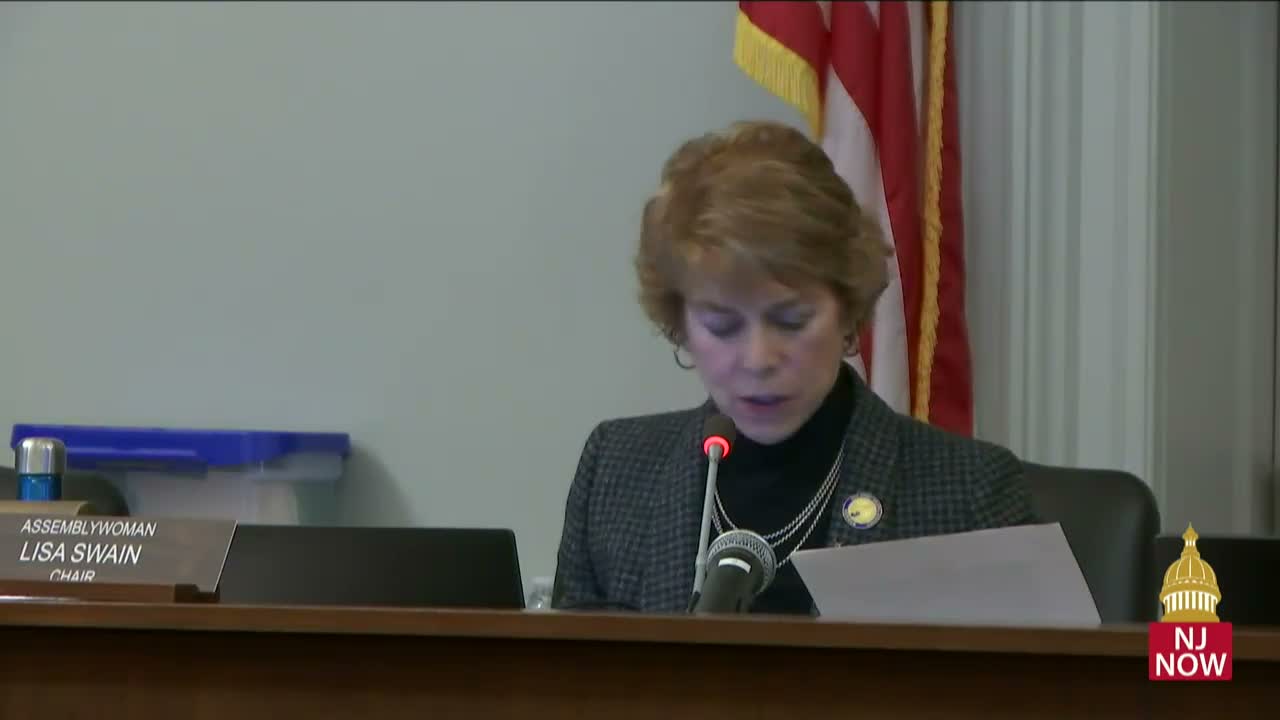
Assembly Bill 4163, which would require health insurers to cover medically appropriate biomarker testing, was reported out of the Appropriations Committee following detailed testimony from clinicians, patient advocates and survivors who described diagnostic and treatment benefits and inequities in access.
The Assembly Appropriations Committee on Dec. 16 reported Assembly Bill 4163 (first reprint), which would require health insurers to provide coverage for biomarker testing when medically appropriate. Witnesses described clinical benefits, access disparities and potential cost savings.
Doreen Monks, a volunteer policy advocate for the Greater New Jersey Chapter of the Alzheimer's Association and a retired neuroscience nurse practitioner, told the committee her experience with an early‑onset diagnosis and the limits of earlier clinical‑only diagnoses before biomarkers were widely available. "The earlier diagnosis can be made, the better the treatment can be," Monks said, urging support for the bill so patients receive timely evaluation and treatment.
Caregiver Anthony Williams described the emotional and financial toll of Alzheimer’s on families and cited estimates of disease prevalence and projected growth. Quentin Law and representatives of the American Cancer Society Cancer Action Network emphasized that lack of insurance coverage is a barrier to access and that biomarker testing is not appropriate for every patient but, when indicated, supports precision treatment and can reduce downstream costs.
Cancer survivors also testified: Janelle Adams credited biomarker testing with enabling a personalized treatment plan that contributed to her remission, while Victoria Ramirez described how testing led to a chemotherapy regimen and a pathological complete response.
Ward Sanders of the New Jersey Association of Health Plans said his group does not oppose the bill but noted the key policy question is what clinical standards should determine coverage. Committee members pressed for standards and implementation details; the committee then voted to report the bill.
What happens next: With the bill reported out of appropriations, sponsors and interested parties will likely continue technical negotiations about clinical‑utility standards and coverage definitions ahead of further floor action.