Get Full Government Meeting Transcripts, Videos, & Alerts Forever!
Get email alerts on the Water Quality topic
No spam. Unsubscribe anytime.
Assembly committee advances bill requiring landlords to notify tenants about lead in drinking water
Summary
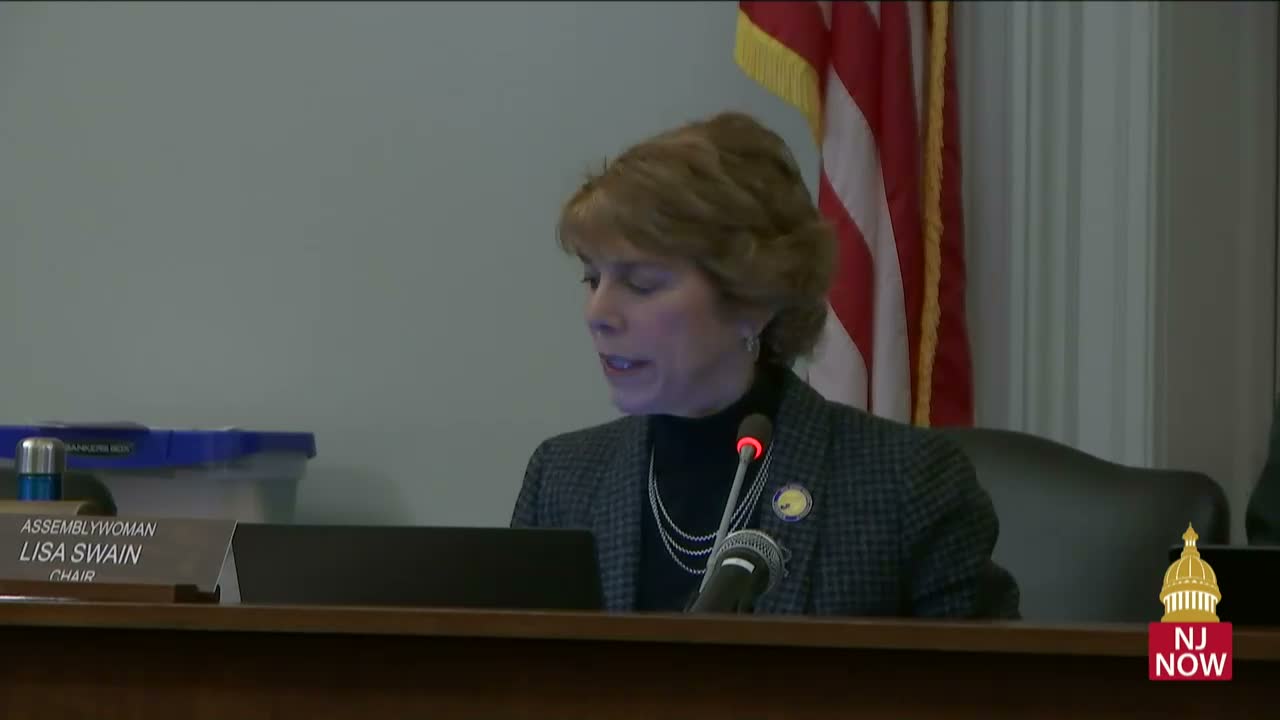
The Assembly Appropriations Committee on Dec. 16 advanced A2929, which would require landlords to disclose lead‑in‑drinking‑water hazards and extend free testing access to tenants; New Jersey Future and housing groups testified in support and the committee amended and reported the bill.
The Assembly Appropriations Committee on Dec. 16 voted to amend and report Assembly Bill 2929, a measure that would require landlords to disclose lead drinking‑water hazards to residential tenants and bar landlords from obstructing lead service line replacement.
Supporters told the committee the bill closes a disclosure gap by giving renters access to the same lead‑service‑line (LSL) information that water utilities now provide homeowners. Deandra Cameron of New Jersey Future testified the federal Environmental Protection Agency estimates 75% of lead exposure in drinking water comes from lead service lines and urged the committee to extend inventory and testing access to tenants. "We're asking that we provide this liberty to tenants as well by ensuring that they're also aware of the hazards that could be in their drinking water," Cameron said.
Nicholas Kekes of the New Jersey Apartment Association also voiced support, saying sponsors worked with stakeholders to reach provisions that balance landlord and tenant interests. The bill includes a tenant's right to request a free water test and requires disclosure of known and unknown LSL status and related health information to renters.
Committee members considered an amendment offered during the session and then voted to amend and report A2929 out of committee. The committee clerk announced the motion passed and the bill was "amended and reported." No further procedural instructions were specified on the record.
What happens next: Reporting out of appropriations advances the bill in the legislative process; sponsors and stakeholders will typically follow up with committee staff and leadership about floor scheduling and any implementing guidance.
Sources: Testimony from Deandra Cameron of New Jersey Future and a recorded committee roll call on Dec. 16, 2024.