Get Full Government Meeting Transcripts, Videos, & Alerts Forever!
Get email alerts on the Workplace Speech topic
No spam. Unsubscribe anytime.
Assembly committee amends and advances bill limiting mandatory "captive audience" workplace meetings amid legal concerns
Summary
The Assembly Appropriations Committee amended and favorably released A4429, which would bar employers from forcing workers to attend political or labor-related communications; supporters say it protects employees, opponents argue it is preempted by federal labor law and raises First Amendment concerns.
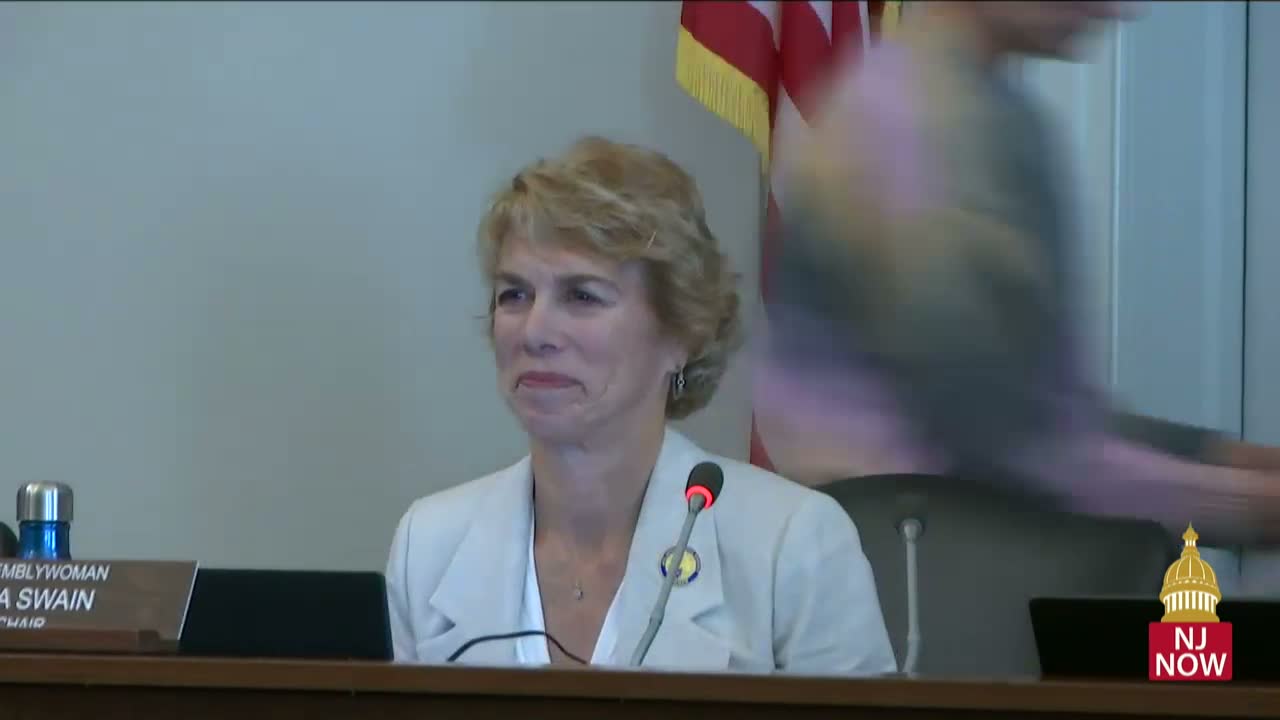
The Assembly Appropriations Committee on Oct. 24 amended and favorably released Assembly Bill 4429, a measure that would expand prohibitions on employers requiring employees to attend or listen to communications about political or labor matters.
Proponents, led by Eric Richard of the AFL-CIO, told the committee the measure protects workers— free-speech rights in so-called "captive audience" meetings. "What these meetings are are mandated meetings by an employer for their workers to talk about sensitive political, religious, or labor issues," Richard said, and the bill would ensure employees cannot be punished for declining to attend.
Opponents — including witnesses for the National Federation of Independent Business, the New Jersey Independent Electrical Contractors, the New Jersey Civil Justice Institute and the NJBIA — urged caution. Elyssa Frank of NJBIA warned the bill would capture more speech than its sponsors anticipate and could chill employers— ability to communicate about pending rules or operations. "This bill will actually chill that speech and make sure it makes companies fearful of weighing in in support or in opposition to legislation," Frank said. Alex Daniel of the New Jersey Civil Justice Institute characterized the proposal as "content-based discrimination on speech," pointing to recent federal rulings he said counsel against state laws that regulate particular topics.
Legal preemption under the National Labor Relations Act (NLRA) and constitutional challenges were the center of the committee—s discussion. Multiple witnesses argued the bill, as drafted, risks conflict with federal labor law; Eric DeJezaro of the Independent Electrical Contractors read from federal precedent and cited Glacier Northwest v. Teamsters (U.S. Supreme Court, 2023) to argue states may be preempted when they regulate conduct arguably covered by the NLRA. Committee members pressed witnesses on whether mandatory meetings and threats of job loss amount to coercion; witnesses drew a legal distinction between labor-law coercion and the narrower First Amendment "captive audience" doctrine but acknowledged that some members consider mandatory attendance coercive in practice.
The committee read committee amendments into the record that expand the bill—s definition of "political matters" to include proposed legislative or regulatory changes and the employee—s decision to join or support a political, civic or labor organization. After debate and questions, the committee voted to amend and favorably release the bill for further consideration.
The committee recorded seven yes votes, zero no votes and four abstentions on the motion to amend and release A4429. The committee—s action advances the bill, but sponsors and opponents acknowledged litigation and federal-preemption questions are likely to follow if the measure becomes law.
Next steps: A4429 moves to subsequent legislative stages where sponsors may refine preemption and constitutional language; committee members asked staff to circulate the exact amendment text and supporting analyses online.