Get Full Government Meeting Transcripts, Videos, & Alerts Forever!
Get email alerts on the Testing And Masks topic
No spam. Unsubscribe anytime.
Arkansas surgeon general: testing capacity has improved but remains limited; masks mainly protect others, N95s protect wearer
Summary
Dr. Bledsoe said testing turnaround has improved to many results within 48 hours while capacity remains insufficient to test everyone; he explained cloth and surgical masks mainly protect others whereas N95 respirators provide stronger protection for the wearer in clinical settings.
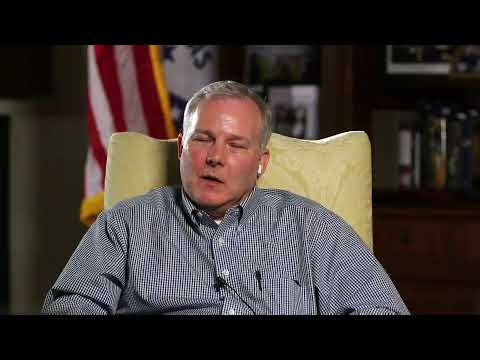
During a livestream hosted by Lieutenant Governor Tim Griffin, state Surgeon General Dr. Bledsoe said Arkansas has increased COVID‑19 testing capacity in recent weeks but still cannot test everyone who might request a test.
“We were having delays of 5 or 6 days. Well, over the course of the last, you know, 6 weeks, 4 to 6 weeks, we've gotten some of this streamlined,” Dr. Bledsoe said, noting UAMS and the health department had expanded capacity and commercial labs were providing testing with many results returning within 48 hours.
On masks, Dr. Bledsoe distinguished among cloth masks, surgical masks and N95 respirators. “A cloth mask made of just fabric or surgical mask, the predominant reasons that we wear those are to protect other people,” he said. He added cloth and surgical masks could confer some protection to the wearer but limitedly; N95 respirators offer substantially greater protection in close contact with a sick person, and PAPRs provide near‑complete protection in clinical encounters.
Dr. Bledsoe also addressed comparisons with seasonal influenza, saying available data suggested influenza has a fatality rate around 0.1% versus an estimated 1% for COVID‑19, and stressed the danger of mass simultaneous infection overwhelming medical systems.
He encouraged people with serious symptoms (chest pain, stroke signs) not to delay seeking care and recommended continued social‑distancing measures while testing and supplies are scaled up.