Get Full Government Meeting Transcripts, Videos, & Alerts Forever!
Get email alerts on the Ppe And Capacity topic
No spam. Unsubscribe anytime.
Arkansas officials say PPE and ventilator supplies have improved but gaps remain in rural areas; elective surgeries under review
Summary
State Surgeon General Dr. Bledsoe said Arkansas has improved PPE stocks after large state purchases and reported roughly 800 ventilators statewide with fewer than 30 COVID‑19 patients on ventilators daily; rural clinics still lack supplies and elective surgeries remain paused pending data.
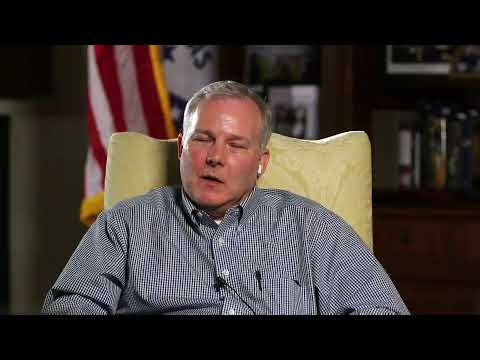
State Surgeon General Dr. Bledsoe told a webcast hosted by Lieutenant Governor Tim Griffin that Arkansas has made “big strides” on personal protective equipment but some rural clinics still need supplies, and that ventilator capacity currently provides a substantial reserve for the state.
Dr. Bledsoe said the governor initially allocated $30 million for PPE and later an additional $45 million when states competed for scarce supplies. He described crowdsourcing and small purchases while the state awaited larger shipments. “Thankfully, last Sunday on Easter we got our first big shipment of PPE, from the first 30,000,000 that the governor allocated. We got 6 FedEx trucks filled with it and that was has been distributed around the state,” he said.
On ventilators, Dr. Bledsoe said the state had “somewhere around 800 ventilators depending on how you count it” and was averaging under 30 COVID‑19 patients on ventilators per day. He said that level left a significant reserve and reduced the immediate risk of a ventilator shortage.
Dr. Bledsoe also warned that delaying routine and emergency care carries risks: “I’m getting concerned that maybe we… have patients that aren’t going to the hospitals for real complaints things like chest pain and things like stroke symptoms, and they need to be, they don’t need to be afraid of going to the hospitals,” he said. He said hospitals—especially rural facilities—face financial strain from suspended elective procedures and that reopening those services will be evaluated by medical advisors and tied to PPE and bed capacity.
The surgeon general said while overall PPE supply had improved, distribution and local inventories vary and the state was continuing to move supplies to underserved clinics. No precise statewide PPE inventory or per‑facility counts were provided on the webcast.