Get Full Government Meeting Transcripts, Videos, & Alerts Forever!
Get email alerts on the Student Devices topic
No spam. Unsubscribe anytime.
Colleton County board adopts policy banning phone use during instructional day, board says buses and extracurriculars not restricted
Summary
The Colleton County School District board unanimously adopted policy JICJ, which prohibits student use of electronic communication devices during the instructional day and leaves disciplinary consequences to the district's progressive discipline plan; a student had urged clarification about buses and extracurricular activities during public comment.
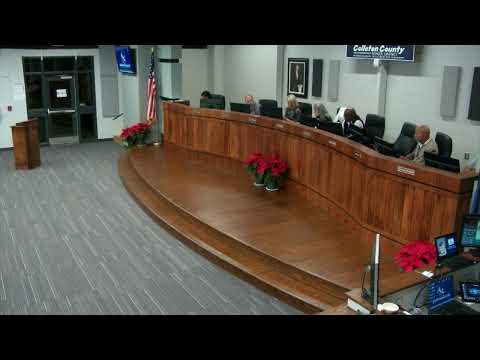
The Colleton County School District Board unanimously approved the second reading and adoption of policy JICJ on Dec. 10, requiring that students not use electronic communication devices during the instructional day and directing schools to apply existing progressive-discipline procedures for violations.
The measure, presented by the policy committee, updates the district's device policy to align with a state proviso. Trustee (speaker identified in the record as Speaker 13) moved to adopt the policy; the motion passed with no opposition among board members present.
The policy drew a public comment earlier in the meeting from 10th-grade student Emma Fitch, who said she and classmates were told phones would no longer be allowed on school property and asked how the rule would affect buses and extracurricular activities. Board members and committee representatives responded that state law requires prohibiting phone use during the instructional day, that phones may be brought to school, and that the policy does not automatically limit phone use for extracurriculars or bus transportation; the policy defers explicit disciplinary steps to the district's progressive-discipline plan.
Superintendent Williams and policy committee members told the board the version in BoardDocs that some members had been reviewing was not the correct draft; the committee had circulated a clean version removing enumerated offense levels and leaving consequences to the PDP. The board agreed to rely on the correctly circulated version and proceed with the second reading and vote that evening.
Board members said they had heard the student perspective presented during public comment and noted the importance of clear communication to families and staff before the policy takes effect. The chair asked staff to circulate the final policy and implementation details to schools and families.
The board concluded the item by voting unanimously to adopt policy JICJ; no roll-call vote with individual names was recorded on the public audio included in the record. The board also directed the policy committee to continue reviewing community-use policies for other facilities at its January meeting.