Get Full Government Meeting Transcripts, Videos, & Alerts Forever!
Get email alerts on the Organized Retail Crime topic
No spam. Unsubscribe anytime.
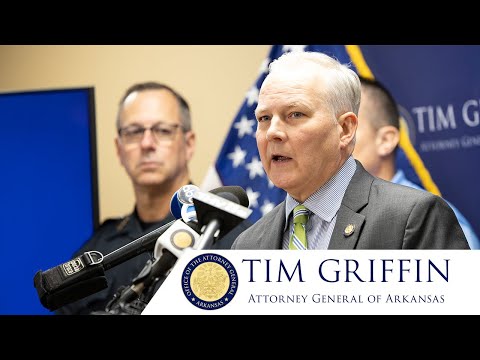
Arkansas group launches ORCA-a and signals legislative push to stiffen penalties for organized retail crime
Summary
Unidentified officials announced an Arkansas branch of an organized retail crime information-sharing group called ORCA-a, described planned coordination with retailers and federal partners, and said they will seek tougher penalties and legislative changes to address theft and related enforcement challenges.
Unidentified Speaker 1 announced an Arkansas branch of an organized retail crime information‑sharing group, calling it "ORCA‑a," and said the group will meet with law enforcement and private‑sector partners to share best practices and build contact networks. The presenter said Arkansas participates in a broader coalition that includes LAHMA and coordinates with federal partners such as Homeland Security Investigations.
The presenter said the group will "identify things that we need" ahead of the next legislative session and intends to advocate for a package of measures. "That is on my agenda for the legislative session," the presenter said, adding that they plan to elevate penalties and send a public signal that organized retail crime is an "elevated threat." "Stay tuned on that, but that is definitely on the agenda for me personally," the presenter said.
During a question‑and‑answer period, an attendee asked whether the number of arrests documented by the group could be translated into a dollar estimate of stolen goods. Unidentified Speaker 3, who answered the question, described the usual method: stores assign a value to items, and losses are calculated case‑by‑case and aggregated nationally. "The attorney general had referred to, I believe, was 70,000,000,000; that is ultimately passed on to us as taxpayers," Unidentified Speaker 3 said.
The presenter cautioned that enforcement operations do not always recover merchandise and that investigators sometimes rely on other evidence linking suspects to crimes. "There's no guarantee when we execute one of these blitz operations ... you're gonna find them with much of anything," the presenter said, noting evidentiary variation across cases.
On consequences, the presenter said proposals to increase penalties would mirror past efforts to address fentanyl and related public‑safety priorities. The presenter also noted litigation and capacity limits related to prisons, saying more prison space would assist enforcement but that those issues are the subject of other proceedings.
No formal votes or ordinances were taken at the meeting. Organizers described next steps as continued meetings with retailers and partners, preparing priorities for the upcoming legislative session and coordinating with interstate and federal partners.